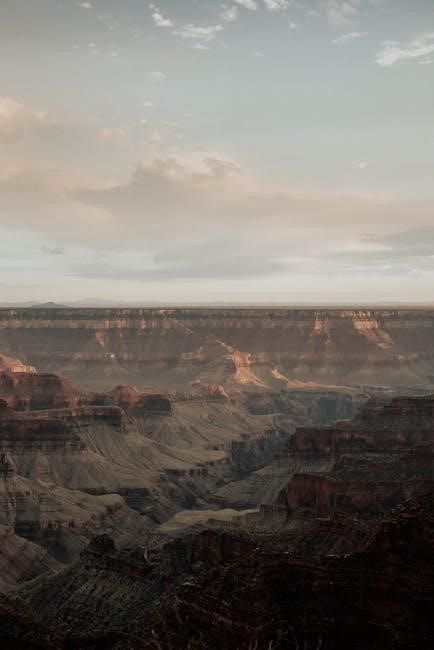
Embark on unforgettable journeys! Discover breathtaking landscapes, diverse wildlife, and thrilling trails within America’s treasured national parks.
This guide provides essential insights for planning your perfect outdoor escape, ensuring a safe and memorable experience.
Explore top hiking destinations, learn about crucial gear, and understand vital safety protocols. Prepare to connect with nature and create lasting memories!
Welcome to the world of National Park Adventures! These protected areas represent the pinnacle of natural beauty and offer unparalleled opportunities for exploration and recreation. From majestic mountains and sprawling forests to dramatic canyons and serene coastlines, the United States boasts a diverse network of 63 National Parks, each with its unique charm and allure.
National Parks aren’t simply scenic destinations; they are living laboratories, preserving ecological and geological wonders for generations to come. They provide sanctuary for countless plant and animal species, offering a glimpse into the raw, untamed beauty of the natural world. Whether you’re an avid hiker, a wildlife enthusiast, a photography buff, or simply seeking a peaceful escape from the hustle and bustle of daily life, a National Park adventure promises something for everyone.
This guide serves as your starting point for planning an unforgettable journey. We’ll delve into essential aspects of park exploration, from trip planning and gear selection to safety considerations and responsible travel practices. Prepare to be inspired, challenged, and deeply connected to the natural world as you embark on your National Park adventure!
Planning Your National Park Trip
Meticulous planning is key to a successful National Park adventure! Begin by selecting a park that aligns with your interests and fitness level. Consider factors like desired activities – hiking, camping, wildlife viewing – and the time of year. Research park websites for information on trails, lodging, permits, and potential closures.
Advance reservations are often essential, particularly for popular parks and during peak season. Secure lodging or campsites well in advance, and obtain any necessary backcountry permits. Check weather forecasts and pack accordingly, layering clothing to adapt to changing conditions. Download offline maps and trail guides, as cell service can be unreliable in remote areas.
Don’t underestimate the importance of physical preparation. If you plan on hiking, gradually increase your fitness level in the weeks leading up to your trip. Inform someone of your itinerary and expected return date. Finally, familiarize yourself with park regulations and Leave No Trace principles to minimize your impact on the environment. A well-planned trip ensures a safe, enjoyable, and responsible experience!
Top National Parks for Hiking
America’s National Parks offer a hiker’s paradise, boasting trails for every skill level. Zion National Park in Utah captivates with its iconic Angels Landing and The Narrows hikes, demanding both endurance and breathtaking views. Rocky Mountain National Park in Colorado presents alpine trails amidst stunning peaks and wildflower meadows.
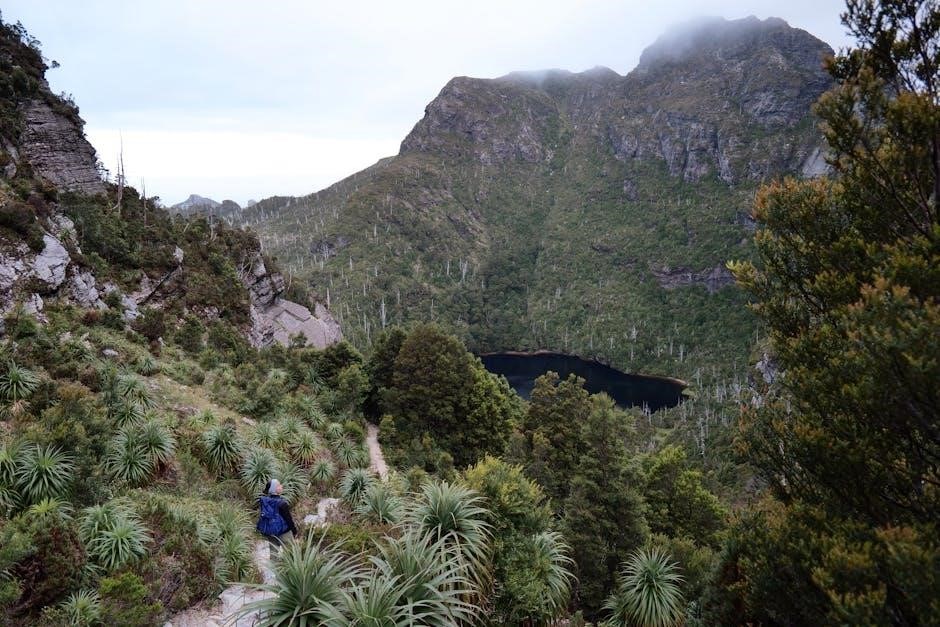
Acadia National Park in Maine combines coastal beauty with challenging climbs, offering panoramic ocean vistas. For a truly immersive experience, Grand Canyon National Park in Arizona provides trails descending into the canyon’s depths. Glacier National Park in Montana showcases pristine lakes and rugged mountains, perfect for multi-day backpacking trips.
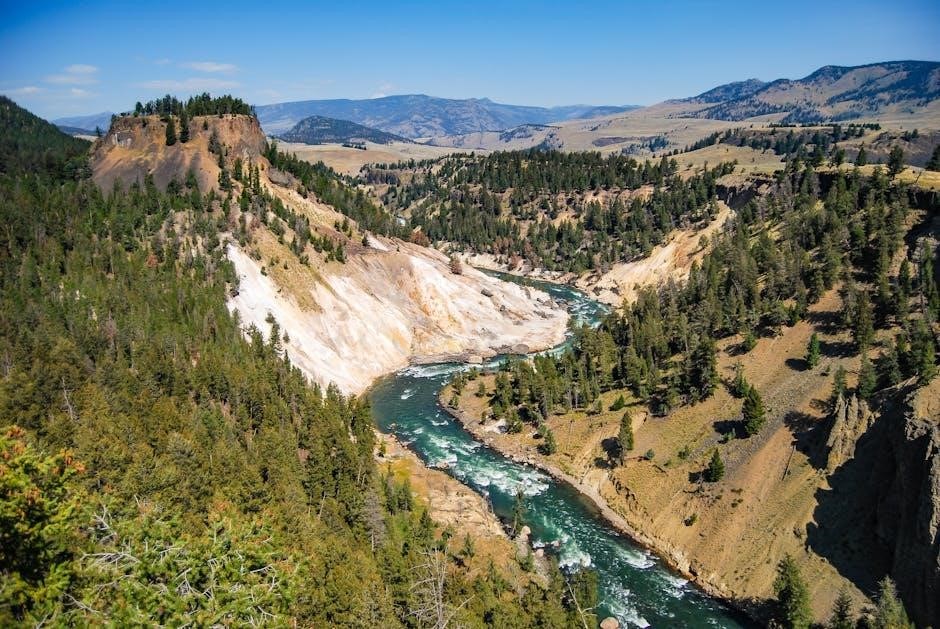
Great Smoky Mountains National Park, with its lush forests, is ideal for varied hikes. Yosemite National Park in California is renowned for its granite cliffs and giant sequoias. Olympic National Park in Washington offers diverse ecosystems, from rainforests to mountains. These parks, and many others, promise unforgettable hiking adventures, each with unique landscapes and challenges. Remember to research trail difficulty and conditions before embarking on your journey!
Great Smoky Mountains National Park: A Hiking Haven
Great Smoky Mountains National Park, a UNESCO World Heritage site, truly earns its reputation as a hiking haven. Its diverse trails cater to all levels, from gentle nature walks to strenuous climbs. Clingmans Dome, the park’s highest point, offers panoramic views, though the paved trail can be crowded.
For a moderate challenge, Andrews Bald provides stunning grassy balds and wildflower displays. Experienced hikers will relish the Alum Cave Bluffs Trail to Mount Le Conte, featuring unique geological formations and rewarding vistas. The park’s extensive trail system, exceeding 800 miles, winds through ancient forests, alongside cascading waterfalls, and across rugged ridgelines.
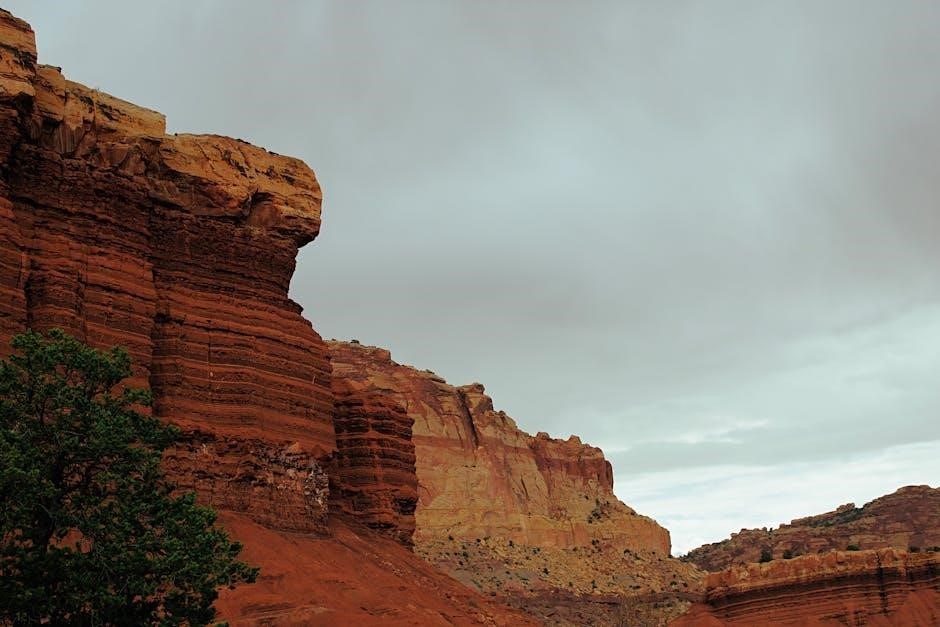
The Smokies’ namesake haze creates a mystical atmosphere, enhancing the hiking experience. Remember to be bear aware, carry water, and check weather conditions before setting out. Whether you seek a leisurely stroll or a challenging trek, the Great Smoky Mountains offer an unforgettable hiking adventure, steeped in natural beauty and Appalachian history.
Essential Hiking Gear

Proper gear is paramount for a safe and enjoyable hiking experience. Start with sturdy hiking boots, broken in beforehand to prevent blisters. Moisture-wicking socks are crucial for foot comfort. Layered clothing – a base layer, insulating mid-layer, and waterproof outer shell – adapts to changing conditions.
A backpack (20-30 liters for day hikes) should carry essentials: water bottles or a hydration reservoir, high-energy snacks, a first-aid kit, a map and compass (and the knowledge to use them!), a headlamp or flashlight, sunscreen, insect repellent, and a multi-tool or knife.
Trekking poles enhance stability and reduce strain on knees. Don’t forget a whistle for signaling in emergencies. Consider bringing binoculars for wildlife viewing. Finally, a fully charged portable power bank for your phone is a smart addition. Investing in quality gear ensures your comfort and safety on the trails, allowing you to fully immerse yourself in the natural beauty of the parks.
Wildlife Safety in National Parks
Respecting wildlife is crucial for both your safety and the animals’ well-being. Maintain a safe distance – at least 100 yards from bears and wolves, and 25 yards from all other wildlife. Never approach, feed, or attempt to touch animals.
Bear safety requires carrying bear spray and knowing how to use it. Store food properly in bear-resistant canisters or hang it from trees. Make noise while hiking to avoid surprising animals. Be aware of your surroundings and look for signs of wildlife, such as tracks or scat.
If you encounter a wild animal, remain calm. Slowly back away, making yourself appear large. Report any aggressive encounters to park rangers. Remember, these are wild animals in their natural habitat. Prioritizing safety and responsible behavior ensures a positive experience for everyone, protecting both visitors and the incredible wildlife that calls these parks home.
Understanding Park Regulations
National Parks operate under specific rules designed to protect resources and ensure visitor safety. Familiarizing yourself with these regulations before your trip is essential. These rules cover everything from where you can hike and camp to what you can collect and how you should dispose of waste.

Permits and reservations are often required for backcountry camping, certain trails, and popular activities. Check the park’s website or visitor center for details. Fire restrictions are common, especially during dry seasons; always adhere to current guidelines.
Pet policies vary significantly between parks – some allow pets on paved trails only, while others restrict them entirely. Collecting natural objects like rocks, plants, and artifacts is generally prohibited. Respecting these regulations helps preserve the parks’ natural and cultural heritage for future generations. Ignoring them can result in fines or other penalties.
Best Time to Visit National Parks
Determining the optimal time to visit a National Park depends heavily on the specific location and your desired activities. Spring and Fall often offer pleasant temperatures and fewer crowds than peak summer months. However, these seasons can also bring unpredictable weather, including rain or even snow at higher elevations.
Summer is the most popular time, providing warm weather ideal for hiking and camping, but expect larger crowds and potential heat waves; Winter transforms many parks into serene, snowy landscapes, offering unique opportunities for snowshoeing and cross-country skiing, though access to certain areas may be limited due to road closures.
Consider factors like wildlife viewing opportunities – for example, spring is prime time for observing wildflowers and newborn animals. Always check the park’s website for current conditions and advisories before your trip. Planning around shoulder seasons can maximize enjoyment and minimize disruptions.
National Park Lodging Options
National Parks offer a diverse range of lodging to suit every preference and budget. Historic lodges, often built in the early 20th century, provide a unique and immersive experience, blending rustic charm with modern comforts. These lodges, like those found in Yellowstone and Yosemite, frequently book up well in advance, so early reservations are crucial.
More contemporary hotels and cabins are also available within or near many parks, offering convenient access to trails and attractions. For a more secluded experience, consider renting a cabin or vacation home outside the park boundaries. Camping remains a popular and affordable option, with numerous campgrounds ranging from primitive sites to those with full hookups.
Booking in advance is highly recommended, especially during peak season. Explore options through the National Park Service’s official website or concessionaire websites. Consider the trade-offs between convenience, cost, and the desired level of comfort when selecting your lodging.
Camping in National Parks
Camping within National Parks offers an immersive experience, connecting you directly with nature; Options range from frontcountry campgrounds with amenities like restrooms and picnic tables, to backcountry sites requiring hiking for access. Reservations are often essential, particularly during peak seasons, and can be made through recreation.gov.
Frontcountry campgrounds typically require a fee and may have restrictions on vehicle size and stay duration. Backcountry camping usually necessitates permits, obtained in advance, and adherence to specific regulations regarding campfires and waste disposal. Always practice Leave No Trace principles to minimize your impact.
Essential camping gear includes a tent, sleeping bag, cooking supplies, and appropriate clothing for varying weather conditions. Be aware of potential wildlife encounters and store food properly in bear-resistant containers where required. Check park websites for specific campground details, alerts, and reservation procedures before your trip.
Photography Tips for National Parks
National Parks provide stunning photographic opportunities. Capture the grandeur of landscapes and the intimacy of wildlife with thoughtful planning. The “golden hours” – shortly after sunrise and before sunset – offer the most flattering light, creating warm tones and long shadows. Utilize a polarizing filter to reduce glare and enhance colors, especially in water scenes.
Consider composition techniques like the rule of thirds, leading lines, and framing to create visually appealing images. A wide-angle lens is ideal for expansive vistas, while a telephoto lens allows you to capture distant wildlife. Always respect wildlife and maintain a safe distance; avoid disturbing animals for a photograph.
Protect your equipment from the elements, and bring extra batteries and memory cards. Experiment with different perspectives and don’t be afraid to explore creative angles. Remember to back up your photos regularly to avoid losing precious memories of your national park adventure!
National Parks for Beginners
Starting your national park journey is exciting! Acadia National Park in Maine offers accessible trails and stunning coastal scenery, perfect for families. Similarly, Rocky Mountain National Park in Colorado boasts paved paths and ranger-led programs, easing newcomers into the alpine environment.
Shenandoah National Park in Virginia provides gentle hikes with breathtaking views, while Arches National Park in Utah features easily navigable trails to iconic arches. Before your visit, check the park’s website for accessibility information, trail difficulty ratings, and current conditions.
Begin with shorter, well-maintained trails and gradually increase the challenge as your fitness improves. Pack plenty of water, snacks, and sunscreen. Attend ranger programs to learn about the park’s history, geology, and wildlife. Remember to leave no trace and respect the natural environment – enjoy your first national park experience!
Advanced Hiking Trails
For seasoned hikers, national parks present challenging trails demanding preparation and skill. The Kalalau Trail in Hawai’i Volcanoes National Park, a strenuous 11-mile trek, traverses rugged coastline and lush valleys, requiring permits and backpacking experience.
In Grand Canyon National Park, the Bright Angel Trail and South Kaibab Trail descend into the canyon’s depths, offering demanding climbs and extreme temperatures. Yosemite National Park’s Half Dome hike, via cables, necessitates a permit and physical endurance. Denali National Park in Alaska features off-trail routes for experienced mountaineers.
Prioritize navigation skills, backcountry first aid, and knowledge of altitude sickness. Carry appropriate gear, including maps, compass, and emergency communication devices. Be aware of wildlife encounters and changing weather conditions. Thoroughly research trail conditions and obtain necessary permits before embarking on these challenging adventures – safety is paramount!
Backcountry Permits and Reservations
Venturing into the backcountry of national parks often requires permits and reservations, crucial for managing visitor impact and ensuring safety. Popular parks like Yosemite, Grand Canyon, and Zion utilize permit systems for overnight backpacking trips, often with lottery-based allocation.
Reservations are essential for campsites, particularly during peak season. Recreation.gov is a central hub for booking many national park campsites and permits. Some parks require permits even for day hikes to heavily trafficked areas, like Angels Landing in Zion.
Plan well in advance, as permits can be competitive and book up months ahead. Understand specific park regulations regarding permit requirements, quotas, and designated camping zones. Failure to obtain necessary permits can result in fines or denial of access. Always carry your permit with you during your trip and be prepared to present it to park rangers.
Leave No Trace Principles
Preserving the pristine beauty of national parks relies on practicing Leave No Trace principles. These guidelines minimize our impact on the environment, ensuring future generations can enjoy these natural wonders.
Plan Ahead and Prepare: Know park regulations, weather conditions, and pack appropriately. Travel and Camp on Durable Surfaces: Utilize established trails and campsites. Dispose of Waste Properly: Pack out everything you pack in, including trash, food scraps, and toilet paper.
Minimize Campfire Impacts: Use established fire rings or stoves. Respect Wildlife: Observe from a distance and never feed animals. Be Considerate of Other Visitors: Minimize noise and yield to others on the trail.
By adhering to these principles, we collectively protect fragile ecosystems, maintain scenic vistas, and ensure a sustainable outdoor experience for all. Remember, every action has a consequence; let’s make ours positive!
Resources for National Park Planning
Planning a national park adventure requires access to reliable information. Fortunately, numerous resources are available to help you create a seamless and enriching experience.
The National Park Service (NPS) website (nps.gov) is the primary source for park details, including maps, alerts, fees, and accessibility information. Recreation.gov facilitates reservations for campsites, permits, and tours. AllTrails provides trail maps, reviews, and difficulty ratings contributed by fellow hikers.
For weather forecasts, consult the National Weather Service (weather.gov). Park-specific Facebook pages and online forums offer real-time updates and community insights. Consider guidebooks from reputable publishers like Falcon Guides or Wilderness Press for detailed trail descriptions and local knowledge.
Don’t overlook visitor center resources upon arrival, including ranger programs and interpretive exhibits. Utilizing these tools empowers you to make informed decisions and maximize your enjoyment of these incredible landscapes.