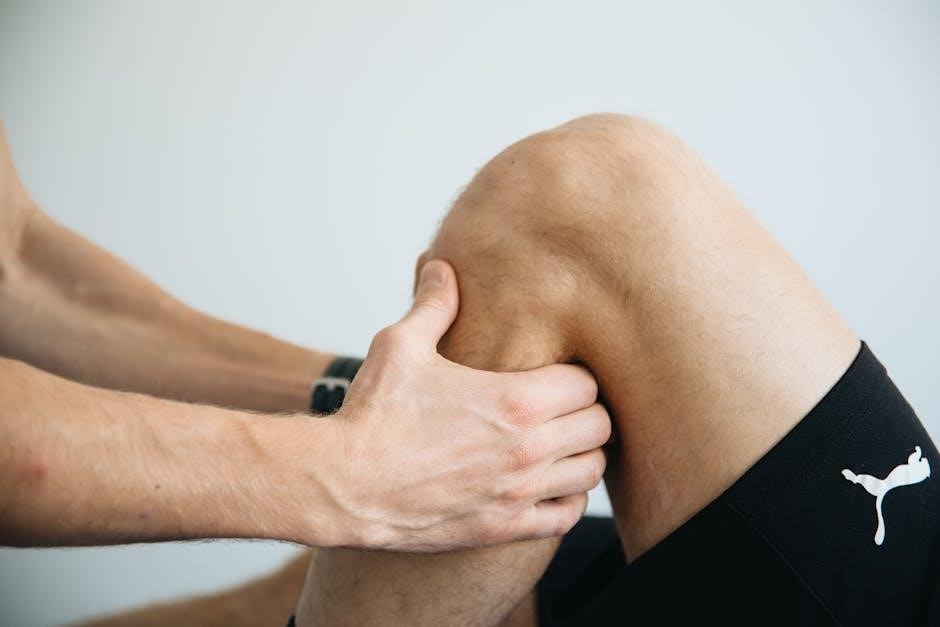
Understanding Lower Back Pain
Lower back pain is incredibly common, affecting many individuals globally; the World Health Organization released guidelines in 2023 for managing this condition non-surgically.
Physiotherapy offers effective solutions, with resources like those from Singapore General Hospital providing practical exercises to improve mobility and reduce discomfort.
Understanding the prevalence and impact of this pain is the first step towards finding relief through targeted physiotherapy exercises, often available as PDF guides.
Prevalence and Impact
Lower back pain represents a significant global health concern, standing as a leading cause of disability worldwide. Its prevalence is remarkably high, impacting individuals across all age groups and demographics. The World Health Organization (WHO) acknowledges this widespread issue, releasing guidelines in 2023 focused on non-surgical management strategies.
This widespread pain leads to substantial economic burdens through healthcare costs and lost productivity. Fortunately, resources like physiotherapy exercises – often available as downloadable PDF guides from institutions like Singapore General Hospital – offer accessible and effective solutions for many sufferers, improving quality of life.
Causes of Lower Back Pain
Lower back pain arises from a multitude of factors, ranging from muscle strains and sprains to more complex issues like disc degeneration or spinal stenosis; Poor posture, prolonged sitting, and improper lifting techniques frequently contribute to discomfort. Even activities like running, while beneficial, can sometimes trigger or exacerbate pain due to stabilization issues.
Understanding these causes is crucial for targeted physiotherapy. Fortunately, many effective exercises – often detailed in PDF resources – address these underlying issues, promoting core strength and flexibility. Resources from organizations like the World Health Organization support these approaches.
Physiotherapy Assessment for Lower Back Pain
Physiotherapy begins with a thorough evaluation to pinpoint pain sources and limitations. PDF guides often complement this, detailing exercises tailored to individual needs.
Initial Evaluation
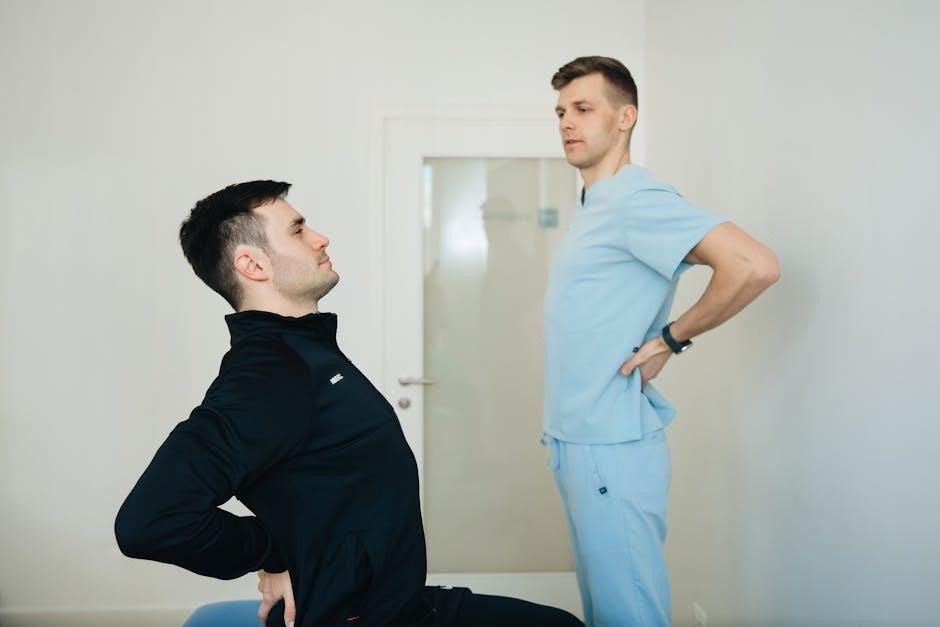
The initial physiotherapy assessment is crucial, involving a detailed patient history focusing on pain onset, location, and aggravating factors. A physical examination follows, assessing posture, range of motion, muscle strength, and neurological function.
This evaluation helps identify potential pain generators and guides the selection of appropriate exercises. Many clinics and online resources, including those from Singapore General Hospital, offer PDF guides outlining initial exercises based on common presentations. These PDFs often include illustrations and instructions for safe and effective performance, complementing the hands-on assessment.
Identifying Pain Generators
Pinpointing the source of lower back pain requires skilled assessment; it’s rarely a single issue. Physiotherapists differentiate between muscular, ligamentous, joint, or nerve-related pain through specific tests.
Understanding these generators informs exercise selection. PDF resources, like those from the World Health Organization and Singapore General Hospital, categorize exercises based on pain origin. These guides often detail which exercises to prioritize or avoid, ensuring a targeted and safe approach to rehabilitation, maximizing effectiveness.

Core Strengthening Exercises
Core stability is vital for back support; physiotherapy utilizes exercises like pelvic tilts and abdominal bracing. PDF guides detail proper form for effective, safe strengthening.
Pelvic Tilts
Pelvic tilts are a foundational exercise in physiotherapy for lower back pain, gently strengthening core muscles without stressing the spine. Lie on your back with knees bent and feet flat.
Slowly flatten your lower back against the floor by tightening your abdominal muscles and tilting your pelvis upwards. Hold for a few seconds, then relax and repeat.
PDF resources from sources like Singapore General Hospital often demonstrate this exercise with clear illustrations and instructions, emphasizing controlled movements and proper breathing techniques for optimal benefit and injury prevention.
Abdominal Bracing
Abdominal bracing is a crucial exercise for stabilizing the spine and alleviating lower back pain, often detailed in physiotherapy PDF guides. Imagine preparing for a gentle punch to the stomach – that’s the feeling you want to achieve.
Engage your core muscles as if creating a rigid cylinder around your torso, without holding your breath. Maintain normal breathing throughout the exercise.
Resources from organizations like the World Health Organization emphasize the importance of proper form; PDFs often include visual cues to ensure correct technique and maximize core engagement.
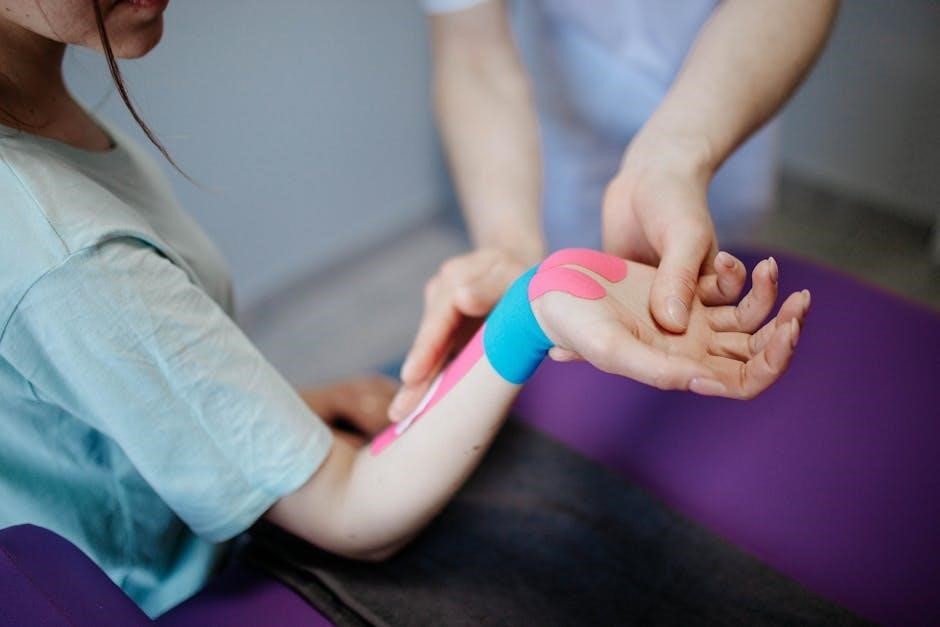
Stretching Exercises for Lower Back Pain
Stretching improves flexibility and reduces tension, easing lower back pain; physiotherapy PDFs detail stretches like knee-to-chest and piriformis stretches for optimal relief.
Knee-to-Chest Stretch
The knee-to-chest stretch gently decompresses the spine, relieving lower back pain and improving flexibility. Lie on your back with knees bent and feet flat. Physiotherapy resources, often found in PDF format from sources like Singapore General Hospital, demonstrate bringing one knee towards your chest.
Hold for 20-30 seconds, repeating several times on each leg. This stretch targets the glutes and hamstrings, contributing to overall lower back health. Proper form, as illustrated in PDF guides, is crucial to avoid strain and maximize benefits.
Piriformis Stretch
The piriformis stretch targets the piriformis muscle, often a contributor to lower back pain and sciatica. Lie on your back with knees bent. Cross one ankle over the opposite knee, then gently pull the uncrossed thigh towards your chest. Physiotherapy PDF guides detail this process.
Hold for 20-30 seconds, feeling a stretch in your hip and buttock. Repeat on both sides. This exercise, frequently recommended by experts, improves hip mobility and alleviates pressure on the sciatic nerve, as shown in resources.
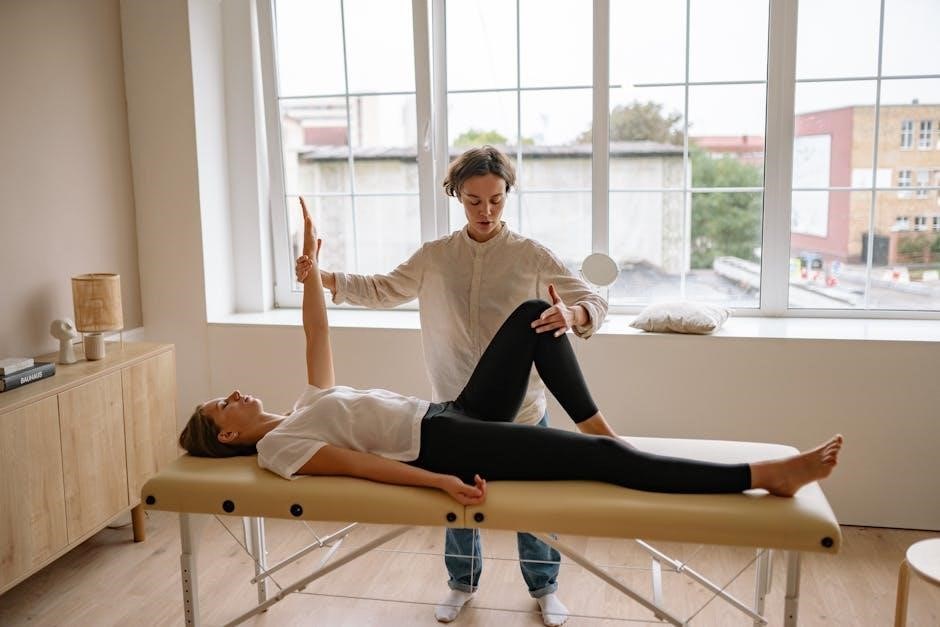
Mobilization Exercises
Mobilization exercises, like the cat-cow stretch and pelvic rotation, gently improve spinal movement and reduce stiffness, often detailed in physiotherapy PDF guides.
Cat-Cow Stretch
The Cat-Cow stretch is a gentle mobilization exercise frequently found in physiotherapy PDF resources for lower back pain. Begin on your hands and knees, ensuring your hands are shoulder-width apart and knees are hip-width apart.
Inhale as you drop your belly towards the floor, arching your back and lifting your head and tailbone – this is the Cow pose. Exhale, rounding your spine towards the ceiling, tucking your chin to your chest, and drawing your abdomen in – the Cat pose.
Repeat this flowing movement 10-15 times, coordinating your breath with each transition. This stretch improves spinal mobility and can alleviate stiffness.
Pelvic Rotation
Pelvic rotation is a key mobilization exercise often detailed in physiotherapy PDF guides for lower back pain relief. Lie on your back with your knees bent and feet flat on the floor. Keep your shoulders flat against the surface.
Gently rotate your knees to one side, keeping your upper body stable. Hold for a few seconds, feeling a gentle stretch in your lower back and hips. Return to the center and repeat on the other side.
Perform 10-15 repetitions on each side. This exercise improves spinal mobility and reduces muscle tension.
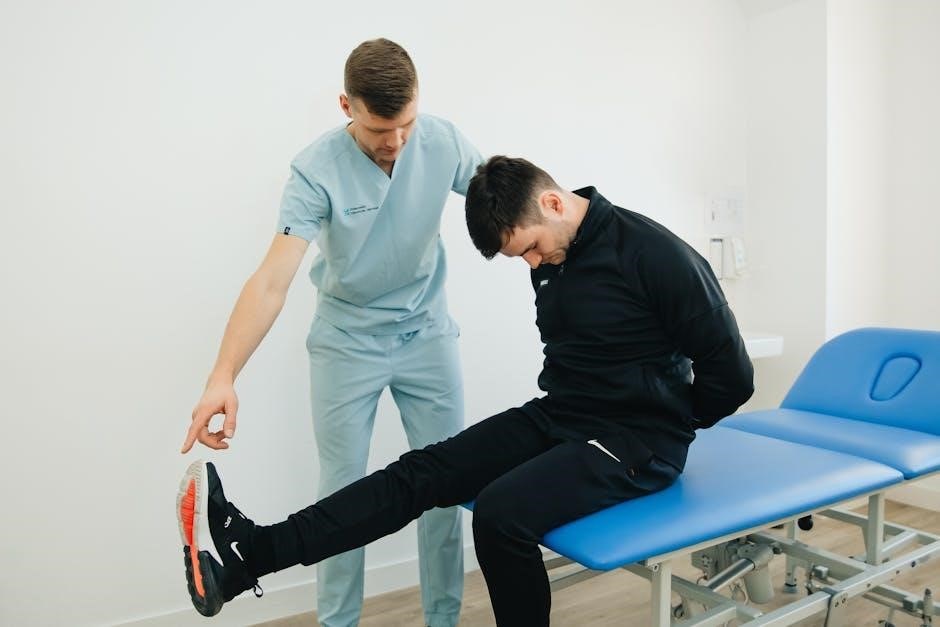
Low-Impact Aerobic Exercise
Low-impact aerobics, like walking and swimming, are crucial for lower back pain recovery, often outlined in physiotherapy PDF resources.
These exercises improve circulation and strengthen supporting muscles without stressing the spine.
Walking
Walking is a fantastic low-impact aerobic exercise frequently recommended in physiotherapy programs for lower back pain, and detailed instructions are often found in downloadable PDF guides.
Start with short, gentle walks on a flat surface, gradually increasing duration and pace as tolerated. Maintaining good posture – shoulders relaxed, core engaged – is vital.
Proper footwear with adequate support is essential. Walking strengthens core and back muscles, improves circulation, and promotes overall spinal health, aiding in pain reduction and recovery.
Swimming
Swimming is an excellent low-impact aerobic exercise often included in physiotherapy plans for lower back pain, with detailed routines frequently available as PDF resources.
The buoyancy of water reduces stress on the spine, allowing for a greater range of motion. Styles like backstroke and freestyle are particularly beneficial, promoting core stability and muscle strengthening.
Focus on maintaining proper form and avoiding excessive twisting. Swimming improves cardiovascular health, reduces inflammation, and eases muscle tension, contributing to pain relief and improved function;

Postural Correction Exercises
Postural exercises, like chin tucks and shoulder blade squeezes, are vital for lower back pain relief, often detailed in physiotherapy PDF guides.
Correcting posture reduces strain and improves spinal alignment, contributing to long-term pain management and overall body mechanics.
Chin Tucks
Chin tucks are a simple yet effective postural correction exercise often found in physiotherapy PDF resources for lower back pain. To perform, gently draw your chin back towards your neck, maintaining a level gaze.
Imagine creating a “double chin” – this movement strengthens deep neck flexor muscles, counteracting forward head posture, a common contributor to back pain. Hold for 5-10 seconds, repeating 10-15 times.
This exercise improves neck and upper back alignment, reducing strain throughout the spine and promoting better overall posture, as recommended by many physiotherapy guides.
Shoulder Blade Squeezes
Shoulder blade squeezes, frequently detailed in physiotherapy PDF guides for lower back pain, are crucial for improving upper back strength and posture. Sit or stand tall, then gently pinch your shoulder blades together, as if holding a pencil between them.
Hold this contraction for 5-10 seconds, focusing on engaging the muscles between your shoulder blades. Repeat 10-15 times.
This exercise counteracts rounded shoulders, reducing strain on the upper and lower back, and promoting a more neutral spinal alignment, a key principle in physiotherapy.
Exercises to Avoid
Physiotherapy PDF guides often highlight avoiding high-impact activities and heavy lifting initially, as these can exacerbate lower back pain and hinder recovery.
High-Impact Activities
Physiotherapy resources, including PDF guides, consistently advise against high-impact activities during lower back pain recovery. These exercises, such as running, jumping, and certain sports, place significant stress on the spine.
This increased stress can worsen inflammation, aggravate existing injuries, and impede the healing process. PDF materials emphasize prioritizing low-impact alternatives like walking or swimming initially. Gradually reintroducing high-impact movements requires careful progression and guidance from a physiotherapist.
Ignoring this advice can lead to chronic pain and setbacks in rehabilitation.
Heavy Lifting
Physiotherapy PDF guides strongly caution against heavy lifting when recovering from lower back pain. Incorrect lifting techniques or excessive weight can exacerbate spinal stress and hinder healing.
Resources from organizations like the World Health Organization emphasize proper body mechanics. They suggest avoiding lifting anything that causes pain or straining. If lifting is unavoidable, PDFs recommend bending at the knees, keeping the back straight, and holding the load close to the body.
Progressive strengthening is key before resuming heavier loads.
Creating a Personalized Exercise Plan
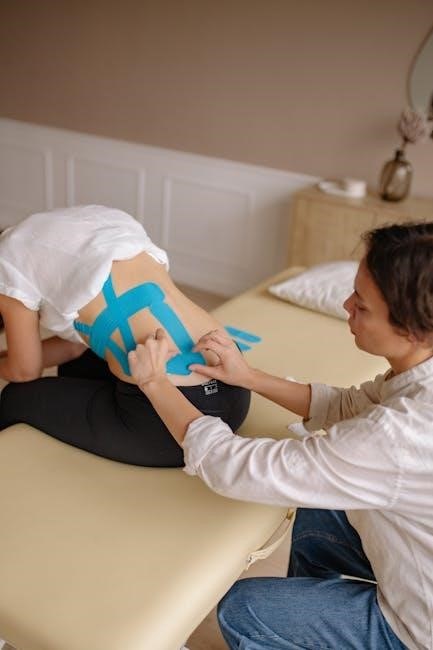
PDF guides from physiotherapy resources emphasize a gradual progression, tailoring exercises to individual needs. Listening to your body and maintaining consistency are crucial for success.
Progression and Consistency
Consistency is paramount when utilizing physiotherapy exercises from PDF guides for lower back pain. Begin with a manageable routine and gradually increase repetitions or resistance as strength improves.
Avoid pushing through sharp pain; instead, modify the exercise or consult a physiotherapist. PDF resources often outline progression plans, but individual responses vary.
Regularity – even short, frequent sessions – yields better results than infrequent, intense workouts. Adhering to a schedule and tracking progress fosters motivation and long-term pain management.
Listening to Your Body
When following physiotherapy exercises from a PDF guide, prioritize your body’s signals. Discomfort is expected, but sharp, radiating, or increasing pain indicates a need to stop immediately.
Don’t push through pain, as this can exacerbate the issue. Modify the exercise, reduce the range of motion, or consult a physiotherapist for personalized guidance.
Respect your limitations and acknowledge that recovery isn’t linear. Rest when needed and adjust the routine based on daily fluctuations in pain levels.
Resources for Lower Back Pain Exercises (PDFs)
World Health Organization guidelines and Singapore General Hospital physiotherapy resources offer valuable PDFs with exercises for managing and alleviating lower back pain effectively.
World Health Organization Guidelines
The World Health Organization (WHO) released comprehensive guidelines in 2023 focused on the non-surgical management of lower back pain. These guidelines emphasize a holistic approach, advocating for physiotherapy and exercise as core components of treatment.
While a direct PDF of exercises isn’t readily available from the WHO, their recommendations strongly support utilizing tailored exercise programs. These programs, often detailed in PDF formats from national health services like Singapore General Hospital, focus on strengthening core muscles and improving posture. The WHO’s stance underscores the importance of active self-management and preventative strategies.
Singapore General Hospital Physiotherapy Resources
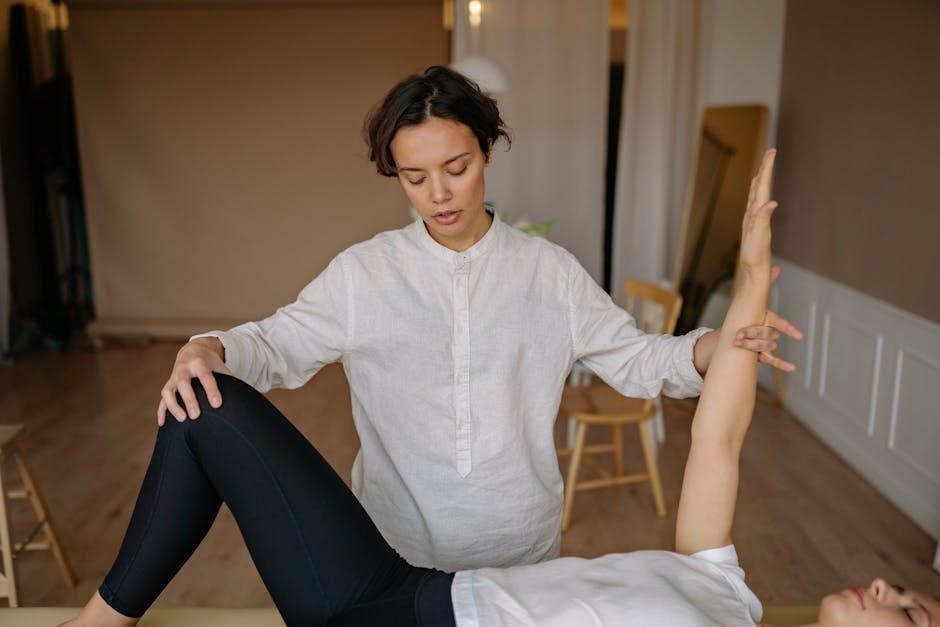
Singapore General Hospital provides valuable physiotherapy resources for managing lower back pain, often available as downloadable PDF guides. These resources, created by experienced physiotherapists, detail practical exercises to enhance mobility and alleviate aches.
The materials typically include instructions for core strengthening, stretching, and postural correction – all crucial for recovery. You can find these PDFs through their official website, offering step-by-step guidance. These resources are designed to empower individuals to actively participate in their rehabilitation journey, promoting long-term pain management.

Preventing Lower Back Pain
Preventative measures, like ergonomic setups and maintaining a healthy weight, are key. World Physiotherapy suggests desk stretches, and PDF guides aid consistent exercise.
Ergonomic Workplace Setup
Creating an ergonomic workspace is crucial for preventing lower back pain. Standing during phone calls and walking meetings, as suggested, minimize prolonged sitting.
Adjust your chair for proper lumbar support and ensure your monitor is at eye level. Regularly review PDF resources from organizations like the World Health Organization and Singapore General Hospital for detailed guidance on posture and workstation adjustments.
Implementing these changes, alongside consistent physiotherapy exercises, significantly reduces strain and promotes long-term spinal health.
Maintaining a Healthy Weight
Maintaining a healthy weight is paramount in preventing and managing lower back pain. Excess weight increases stress on the spine, exacerbating discomfort and hindering the effectiveness of physiotherapy exercises.
Combined with a balanced diet, regular low-impact aerobic exercise – like walking or swimming – can aid weight management. Consult PDF guides from resources like the World Health Organization for comprehensive lifestyle recommendations.
Prioritizing weight control complements physiotherapy, optimizing treatment outcomes and promoting long-term spinal well-being.