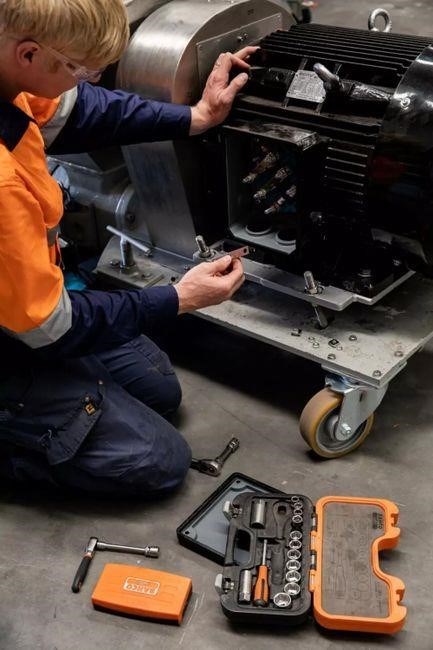
Overview of Manual Handling
Manual handling involves lifting‚ pushing‚ pulling‚ or carrying objects by hand. It’s common across industries‚ yet improper technique can cause injuries. A toolbox talk highlights hazards‚ proper posture‚ load assessment‚ and teamwork to safeguard workers. Stay safe!!
Common Injuries and Their Causes
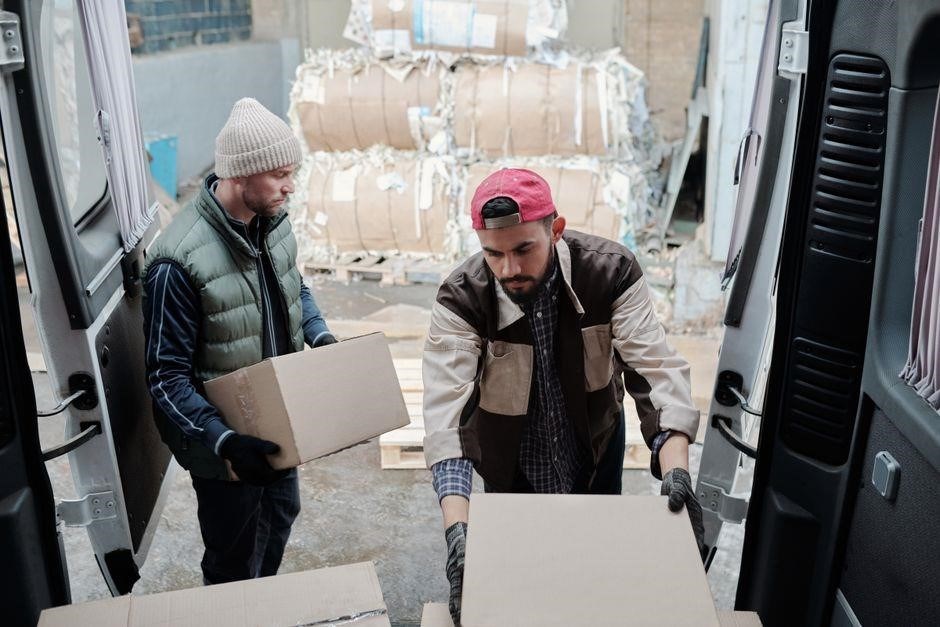
Manual handling can cause a range of musculoskeletal injuries‚ such as muscle strains‚ ligament sprains‚ and soft tissue damage. These injuries often result from sudden jerks‚ awkward positions‚ or improper grip‚ especially when a worker lifts or moves an object without proper preparation. These injuries can lead to missed workdays‚ reduced efficiency‚ and increased medical costs for both employees and employers.
Other injuries include fractures‚ bruises‚ and nerve compression. Fractures may happen when a load is dropped or a worker is struck by a falling object. Bruises and contusions develop from impact or repeated pressure. Nerve compression can cause tingling or numbness. Such injuries often require medical attention and can result in long-term disability.
Key factors are forceful exertion‚ awkward positioning‚ and lack of ergonomic awareness. Lifting with a bent back or twisting places the spine under strain. Carrying an object that is too heavy increases injury risk. Inadequate training also raises accident likelihood. Poor ergonomics can also lead to chronic pain and reduced work capacity.
Preventive measures focus on proper body mechanics‚ adequate preparation‚ and suitable equipment. Encourage workers to assess the load‚ plan the lift‚ and keep a neutral spine. Regular training and clear communication about safe handling practices are essential for a healthy workforce. By integrating ergonomic assessments‚ providing training‚ and ensuring that all workers understand the importance of maintaining a neutral spine and using proper lifting techniques‚ organizations can reduce the incidence of handling injuries‚ thereby enhancing workforce health a efficiency!
Key Hazards in Manual Handling
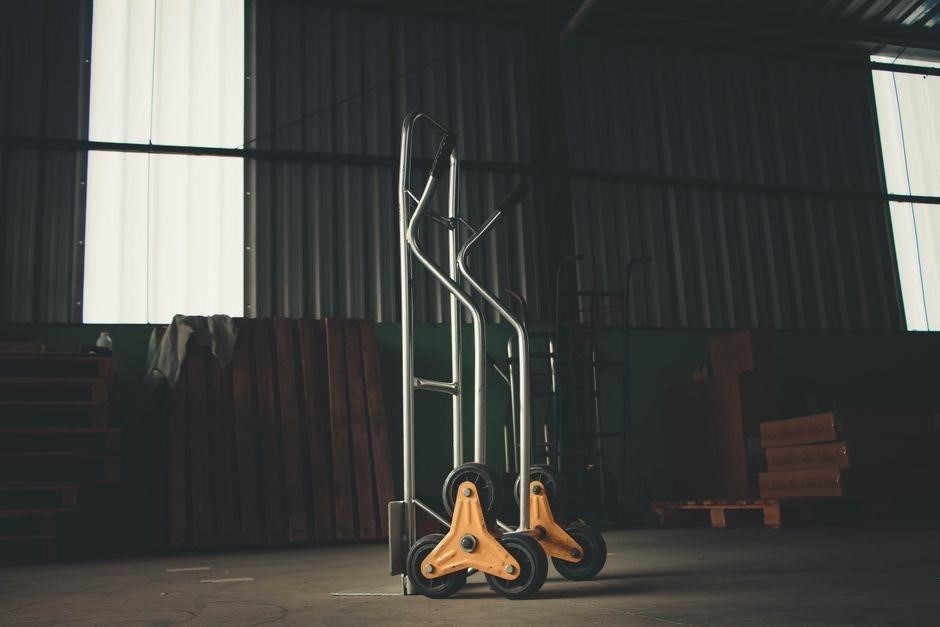
Beyond the obvious physical strain‚ several environmental and organizational factors can elevate risk during manual handling tasks. Poor lighting can obscure obstacles‚ while uneven or cluttered floors increase tripping hazards. High noise levels or inadequate ventilation may impair concentration and cause fatigue. Improper personal protective equipment—such as ill‑fitting footwear or gloves—can reduce grip and stability. A lack of clear signage or labeling on loads can lead to misidentification and mishandling. Inadequate training and supervision often result in unsafe practices‚ while insufficient rest breaks contribute to cumulative fatigue. Stress‚ mental strain‚ and a weak safety culture can also undermine safe handling behaviors. Addressing these hidden hazards is essential for a comprehensive safety strategy.
Other overlooked risks include temperature extremes that can cause heat stress or cold injury‚ uneven or wet surfaces that increase slip potential‚ and inadequate lighting that hampers visibility. Insufficient personal protective equipment‚ such as gloves that do not fit or shoes lacking slip‑resistance‚ can compromise grip and stability. Lack of clear signage or labeling on loads may lead to misidentification and mishandling. When workers are not properly trained or supervised‚ unsafe practices become more likely‚ and insufficient rest breaks contribute to cumulative fatigue. Stress‚ mental strain‚ and a weak safety culture can also undermine safe handling behaviors. Cut risks daily!!
Objectives of a Toolbox Talk
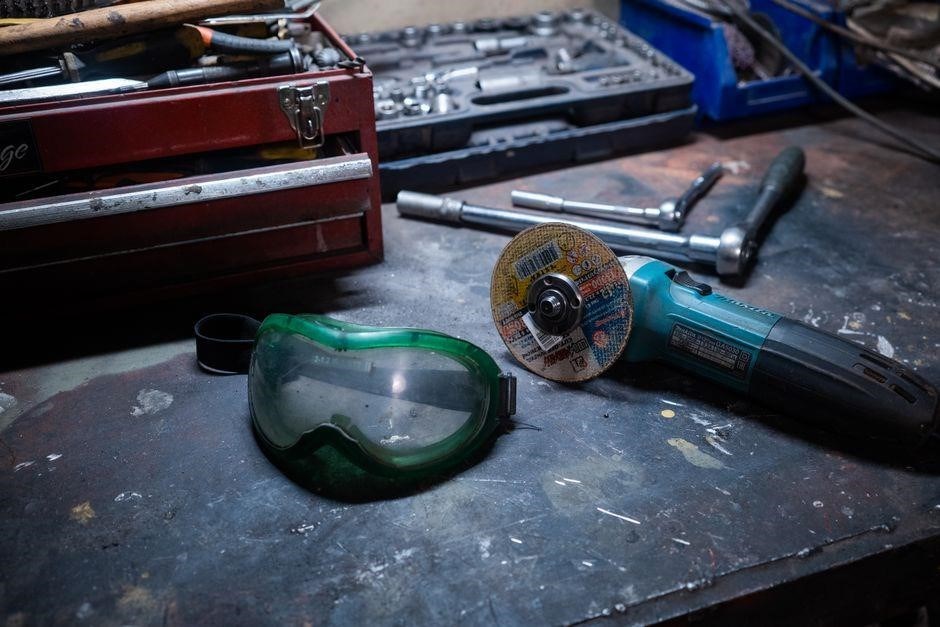
In a concise‚ engaging session‚ a toolbox talk on manual handling should set clear‚ measurable goals that resonate with every worker. First‚ it must sharpen awareness of the most common hazards—heavy‚ bulky‚ or unstable loads; uneven or cluttered floors; inadequate staffing; repetitive motions; and poor posture. By highlighting these risks‚ the talk reinforces the “why” behind every safety rule. Second‚ it should outline the specific actions workers can take: always assess the load before lifting‚ use proper lifting techniques‚ coordinate with teammates‚ and request mechanical assistance when needed. Third‚ the talk must emphasize the role each individual plays in maintaining a safe environment—reporting unsafe conditions‚ using the correct equipment‚ and following company policies. Fourth‚ the talk should link safety to productivity‚ illustrating how preventing injuries saves time‚ reduces downtime‚ and boosts morale. Finally‚ the session should invite open dialogue‚ encouraging questions‚ sharing personal experiences‚ and brainstorming practical solutions. By the end‚ participants should feel empowered‚ informed‚ and ready to apply the lessons on the job every day‚ ensuring both personal well‑being and operational excellence. Participants should practice safe posture with the back straight‚ shoulders relaxed‚ and knees bent. They should avoid twisting while lifting and use a grip. When a load feels too heavy‚ they must ask for help or use a mechanical aid. Regular breaks and stretching help prevent fatigue and maintain focus throughout shift and stretch.

Risk Assessment Prior to Handling
Before any manual handling task‚ a structured risk assessment is the first line of defense against injury. Start by cataloguing the load: note its weight‚ dimensions‚ and whether it is stable or prone to shifting. Use a simple weight banding system—light (<20 kg)‚ moderate (20–50 kg)‚ heavy (>50 kg)—to gauge the required effort. Next‚ map the movement path: measure the distance‚ check for obstacles‚ and assess floor conditions such as wetness‚ debris‚ or unevenness that could cause slips or trips. Evaluate the worker’s physical capacity‚ including any medical conditions that might limit lifting ability. Ask the critical question: “Can I lift this alone?” If the answer is negative‚ plan for a team lift or mechanical assistance. Identify environmental hazards—overhead obstructions‚ poor lighting‚ confined spaces‚ or high traffic zones—that could complicate the lift. For each identified risk‚ assign a control measure: use a dolly or pallet jack for heavy loads‚ clear the path of obstacles‚ provide adequate lighting‚ ensure sufficient staffing‚ and‚ if necessary‚ use a forklift or crane. Involve the worker in the assessment to confirm that the chosen controls are practical and that they understand their role. Record the assessment in a concise log‚ noting the date‚ task description‚ load details‚ and control measures. Review the plan with the team‚ emphasizing clear communication during the lift. Conduct a brief safety check immediately before the task begins‚ confirming that all equipment is in good condition and that everyone is ready. This proactive‚ documented approach not only reduces the likelihood of injury but also fosters a culture of safety‚ accountability‚ and continuous improvement across the workplace. Additionally‚ consider the environmental temperature and humidity‚ as extreme conditions can affect grip and fatigue. If the load is awkwardly shaped or contains sharp edges‚ plan for protective gloves and use a lifting strap to secure the item. For repetitive tasks‚ schedule rest breaks and rotate tasks to prevent cumulative strain. Training should be refreshed regularly‚ and any changes in equipment or procedures must be communicated promptly. Finally‚ after the lift‚ conduct a quick debrief to capture lessons learned and update the risk register accordingly. This continuous loop of assessment‚ action‚ and review ensures that manual handling remains safe and efficient over time. Remember‚ the goal of the assessment is not only to protect the worker but also to maintain productivity by preventing downtime caused by injuries. By embedding risk assessment into daily routines‚ teams can identify hazards early‚ apply controls‚ and maintain a safe‚ efficient workflow.
Safe Lifting Techniques
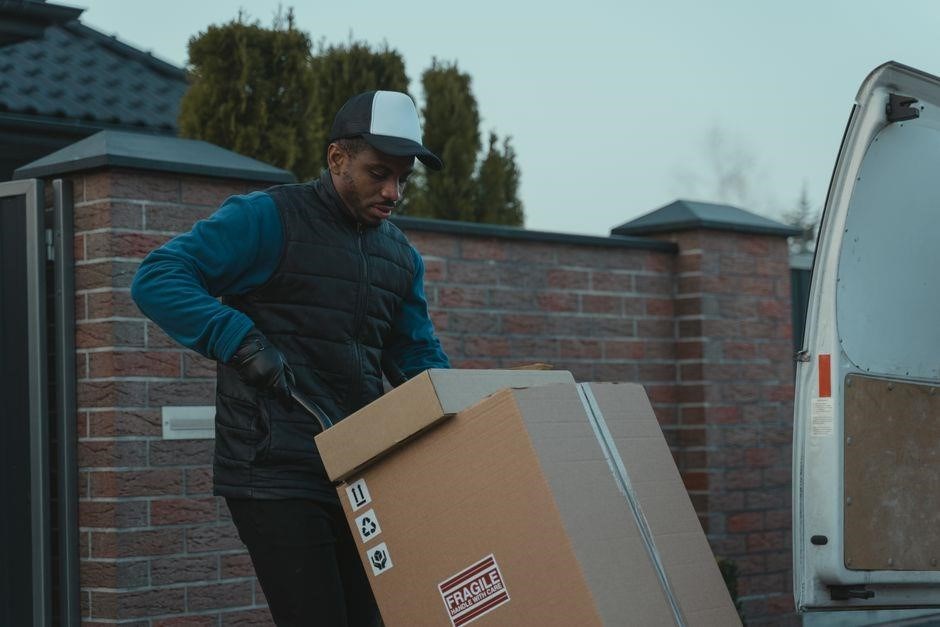
Proper lifting is the cornerstone of a safe manual‑handling environment. Before you even pick up an item‚ perform a quick visual check: is the load stable‚ does it have a secure grip‚ and is the path clear? If the answer is yes‚ proceed; if not‚ stop and reassess. Stand with your feet shoulder‑width apart‚ placing the heel of one foot slightly forward to create a solid base. Keep your back straight and avoid twisting by turning your whole body toward the load. Bend at the knees‚ not the waist‚ and hold the item close to your torso to minimize leverage. Use a firm‚ two‑handed grip‚ and if the load is large or awkward‚ secure it with a strap or use a mechanical aid such as a dolly or pallet jack. While lifting‚ exhale and maintain a neutral spine. If the load exceeds your strength‚ call for help or use a lifting device. When carrying‚ keep the load centered and avoid over‑extending your arms. If you must move the load across a distance‚ walk with it‚ not pull it‚ and keep your head up to see obstacles. Before setting the load down‚ reverse the steps: bend your knees‚ keep your back straight‚ and place the item gently on the surface. Always wear appropriate footwear‚ keep the floor clear of clutter‚ and stay hydrated. By following these steps‚ you reduce the risk of strain injuries‚ protect your musculoskeletal health‚ and maintain productivity in the workplace. Remember to keep your shoulders relaxed‚ avoid sudden jerks‚ and use your legs to generate power. If you feel any discomfort‚ stop immediately and seek advice. Regular training refreshes muscle memory and reinforces safe habits. By embedding these practices into everyday routines‚ you create a culture of safety that protects everyone and keeps the workflow efficient.
Lorem ipsum dolor sit amet‚ consectetur adipiscing elit. Lorem ipsum dolor sit amet‚ consectetur adipiscing elit. Lorem ipsum

Using Mechanical Aids and Team Lifting
Mechanical aids such as dollies‚ pallet jacks‚ forklifts‚ and hand trucks are indispensable for lifting heavy‚ bulky‚ or awkward loads. Before using any equipment‚ inspect for damage‚ ensure brakes are functional‚ and verify that controls respond correctly. Operators must be trained in safe use‚ proper positioning‚ and emergency procedures.
Team lifting requires clear communication and defined roles. The leader directs the lift‚ support stabilizes load‚ spotter watches for hazards. Before lifting‚ agree on a signal system—hand clap‚ whistle‚ or verbal cue—to coordinate movements. Keep the load close to body‚ maintain a neutral spine‚ use coordinated leg power. Avoid twisting by turning the whole body.
Regular training sessions keep workers updated on the latest lifting techniques and equipment handling. Include hands‑on practice with the specific tools used on the site. Maintenance schedules for mechanical aids must be strictly followed; record inspections‚ replace worn parts‚ and report any malfunction immediately. Proper documentation ensures accountability and prevents unsafe practices.
Fostering a safety culture means encouraging workers to speak up about fatigue‚ awkward loads‚ or unsafe conditions without fear of blame. Management should lead by example‚ enforce the use of mechanical aids‚ and recognize safe practices. Compliance with regulations not only protects health but also boosts morale and productivity‚ creating a win‑win environment for everyone
Ensuring Workplace Safety and Productivity
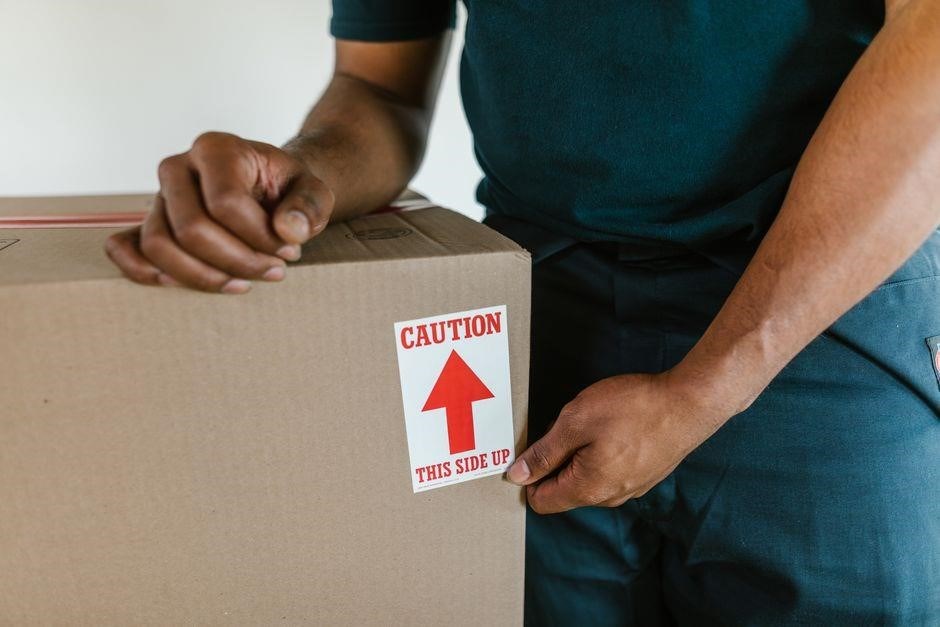
Safe handling boosts output. Use ergonomic tools and proper posture to keep workers healthy. A proactive safety culture cuts downtime‚ improves morale‚ and drives higher productivity. Regular training and equipment checks ensure safe practices. All. Everyone must report any unsafe conditions immediately.
Definition and Scope of Manual Handling
Manual handling refers to the physical act of lifting‚ lowering‚ pushing‚ pulling‚ carrying‚ or moving objects by hand or bodily force. It encompasses any task where a worker uses their own strength to manipulate a load‚ regardless of the load’s weight‚ shape‚ or stability. The scope extends beyond heavy lifting to include repetitive motions‚ awkward postures‚ and prolonged static positions that can strain muscles and joints. In the workplace‚ manual handling is ubiquitous—from construction sites where bulky materials are moved‚ to warehouses where pallets are stacked‚ to offices where files and equipment are transported. The definition also covers tasks that involve awkward or confined spaces‚ where workers must bend‚ twist‚ or reach to handle items. Understanding that this broad scope is essential for identifying potential hazards‚ applying proper risk assessment‚ and implementing control measures such as mechanical aids‚ team lifting‚ or redesign of work processes; By recognizing that manual handling includes all these varied activities‚ employers can create comprehensive safety protocols that protect employees from injury and promote efficient‚ injury‑free operations. It also covers tasks performed in cramped or hazardous environments‚ such as confined spaces‚ slippery floors‚ or areas with poor lighting‚ where manual handling can become even more dangerous. By defining manual handling‚ workers can assess risks and apply safeguards before moving load.
Back Injuries and Soft Tissue Strains
Back injuries are the most common result of improper manual handling. They arise when the lumbar spine is subjected to excessive flexion‚ rotation‚ or compression. Soft tissue strains—affecting muscles‚ tendons‚ and ligaments—occur when repetitive or forceful movements exceed the tissue’s capacity. The most frequent causes are lifting heavy loads without proper technique‚ carrying uneven or unstable weights‚ and performing repetitive motions over extended periods. Workers often underestimate the cumulative effect of small‚ repeated strains‚ which can lead to chronic pain‚ reduced mobility‚ and long‑term disability. Prevention hinges on immediate risk assessment: identify load weight‚ shape‚ and duration; use mechanical aids when possible; and train staff in correct posture—keeping the back straight‚ bending at the knees‚ and avoiding twisting. Regular breaks‚ stretching‚ and ergonomic adjustments also mitigate strain. Employers should enforce a culture of reporting early symptoms and provide access to physiotherapy or medical evaluation. By addressing both acute and chronic mechanisms‚ a toolbox talk can reduce the incidence of back injuries and soft tissue strains‚ ensuring a healthier workforce and higher productivity.Remember that early reporting and proper ergonomic training can dramatically cut injury rates‚ fostering a safer‚ more efficient work environment for everyone.Use teamwork and proper planning to keep the load manageable reducing strain.
Heavy‚ Bulk‚ and Unstable Loads

When a load is heavy‚ bulky‚ or unstable‚ the risk of injury rises sharply. Heavy items demand more force‚ increasing the load on the back and shoulders. Bulkiness limits the ability to grip securely‚ often forcing workers to use awkward positions or to lift with one hand‚ which disturbs spinal alignment. Unstable loads shift during movement‚ causing sudden changes in direction that can lead to slips‚ trips‚ or sudden jerks. To mitigate these hazards‚ workers should first assess the weight and shape of the load‚ ensuring it is within safe limits or that mechanical aids are available. If a load is too large to handle alone‚ a team lift should be organized‚ with clear communication and designated roles. Proper footwear and a clear‚ unobstructed path are essential. Workers should keep the load close to the body‚ maintain a neutral spine‚ and avoid twisting. When handling unstable items‚ secure them with straps‚ nets‚ or other restraints before moving. Training should emphasize the importance of a pre‑move check‚ proper grip‚ and the use of assistive devices such as trolleys or forklifts. By addressing each element—weight‚ bulk‚ and stability—safety can be significantly improved‚ reducing the likelihood of sprains‚ strains‚ and other injuries during manual handling tasks. Additionally‚ regular audits of storage areas help identify potential hazards before they become incidents. Supervisors should enforce the use of signage to warn about load limits and ensure that all personnel are trained in safe handling procedures. When in doubt‚ consult the site’s risk assessment or request assistance from a qualified ergonomist. Remember‚ a single misstep can lead to long‑term health consequences‚ so vigilance and adherence to best practices are essential for every worker. In high‑traffic areas‚ consider installing handrails or barriers to guide workers and prevent accidental contact with moving loads. Encourage a culture where workers feel empowered to speak up if a load feels too heavy or if the environment is unsafe.
Insufficient Staffing and Improper Teamwork
When a task requires more people than are available‚ workers often try to compensate by lifting alone or by using improper techniques. This increases the risk of back injuries‚ strains‚ and accidents. Proper teamwork starts with a clear assessment of the load and the number of helpers needed. Each team member should have a defined role: a leader to coordinate‚ a spotter to guide the load‚ and a carrier to maintain a stable grip. Communication is essential; verbal cues such as “ready‚” “lift‚” and “stop” help prevent mis‑timed movements. Before moving‚ confirm that all participants are physically capable and have received training on safe lifting. If the load exceeds the safe limit for a single person‚ use mechanical aids or re‑allocate additional staff. Supervisors should enforce a policy that no one is allowed to lift alone when a team is required. Encourage a culture where workers feel comfortable reporting fatigue or an unsafe situation. Regular drills and refresher training reinforce correct teamwork practices. By ensuring adequate staffing and clear teamwork‚ the workplace can reduce injuries‚ improve efficiency‚ and maintain a safer environment for everyone involved. In practice‚ managers should schedule regular briefings where workers can discuss load challenges and propose adjustments ensuring that each lift is planned with the right number of helpers appropriate equipment a clear safety protocol that aligns with company policy and regulations.!!
Repetitive Movements and Fatigue
Repetitive manual handling tasks—such as repeatedly lifting‚ pushing‚ or pulling—exacerbate muscle fatigue and increase the likelihood of soft‑tissue injuries. When the same motion is performed many times without adequate recovery‚ the back‚ shoulders‚ and wrists become vulnerable to strain. To mitigate these risks‚ a toolbox talk should emphasize the importance of proper posture‚ regular micro‑breaks‚ and job rotation. Workers should be trained to recognize early signs of fatigue—tightness‚ tingling‚ or reduced range of motion—and encouraged to report them immediately. Implementing a “stop‑and‑reset” protocol allows the team to pause‚ reassess load‚ and adjust technique before the next cycle. Additionally‚ using mechanical aids or team lifts for heavy or awkward loads reduces the repetitive load on a single worker. Supervisors should schedule short‚ scheduled breaks (e.g.‚ 5 minutes every 30 minutes) and enforce a rotation system that alternates high‑intensity tasks with lighter duties. By fostering a culture that values rest‚ proper technique‚ and early reporting‚ the workplace can protect workers from cumulative fatigue and maintain high productivity without compromising safety. Encouraging workers to maintain proper breathing patterns and to avoid holding their breath during lifts also reduces strain. Supervisors should monitor fatigue levels and rotate tasks to keep the workforce alert. A well‑structured safety culture ensures that every lift is executed with confidence and care and safety daily
Bad Posture and Incorrect Lifting Techniques
When workers adopt poor posture—such as slouching‚ twisting‚ or bending at the waist—muscle imbalances and spinal stress increase. Incorrect lifting‚ like pulling from the back or using the arms instead of legs‚ overloads the lumbar region and can lead to chronic pain or acute injury. A toolbox talk should cover the fundamentals: keep the load close‚ maintain a neutral spine‚ and avoid twisting while lifting. Workers must learn to use the legs‚ not the back‚ to generate force. Proper foot placement—feet shoulder‑width apart—provides a stable base. The load’s center of gravity should stay within the worker’s reach to minimize reach strain. Training should include visual cues‚ such as “keep the back straight” and “bend the knees.” Demonstrations of safe versus unsafe lifts help reinforce correct habits. Encourage workers to ask for help when a load feels too heavy or awkward. Regular refresher sessions keep technique sharp and reduce the cumulative risk of injury. By embedding correct posture into daily routines‚ teams can protect their backs‚ improve efficiency‚ and maintain a safer‚ more productive environment.
Remember that even a brief‚ awkward lift can trigger a cascade of strain. By consistently applying the “lift with the legs‚ not the back” rule‚ workers reduce the load on the spine and preserve long‑term mobility.
In practice‚ a brief pause before lifting‚ a quick scan of the load‚ and a clear communication with teammates can prevent many injuries. A simple “yes‚ I can lift this” or “I need help” keeps everyone aware and reduces risk.
Remember to keep the load close to your body‚ avoid twisting‚ and keep your feet planted. These simple habits‚ practiced daily‚ build resilience and protect your spine.
Floor and Surface Hazards
Before any manual handling task‚ a quick visual scan of the floor is essential. Look for wet spots‚ oil slicks‚ loose floorboards‚ uneven tiles‚ or debris that could cause slips‚ trips‚ or sudden shifts in footing. A clear‚ dry path reduces the chance of a sudden loss of balance‚ which can lead to awkward twists and back strain.
Keep the work area free of clutter; use non‑slip mats in high‑traffic zones and replace damaged flooring promptly. Mark hazardous spots with bright caution tape or warning signs so everyone is aware. When carrying a load‚ maintain a firm stance: feet shoulder‑width apart‚ weight evenly distributed‚ and toes pointing forward.
Avoid stepping on edges or corners that might give way under weight. If the floor is wet or slick‚ wear footwear with good traction or consider a safety harness for added stability. Temperature changes can make surfaces slippery or hard; be mindful of this when moving heavy items.
Regular housekeeping and maintenance of flooring materials are vital. Schedule routine inspections to identify and repair cracks‚ loose tiles‚ or uneven surfaces. Train workers to report any floor hazards immediately. Proper lighting is also a key factor; poor illumination can hide floor hazards.
Incorporate floor hazard checks into daily toolbox talks. Use a simple checklist:
- Is the floor dry?
- Are there any loose or damaged tiles?
- Is the path clear of debris?
- Are warning signs in place?
Review the checklist with the team before starting any task. This routine promotes safety and accountability.
Evaluating Load Weight‚ Shape‚ and Duration
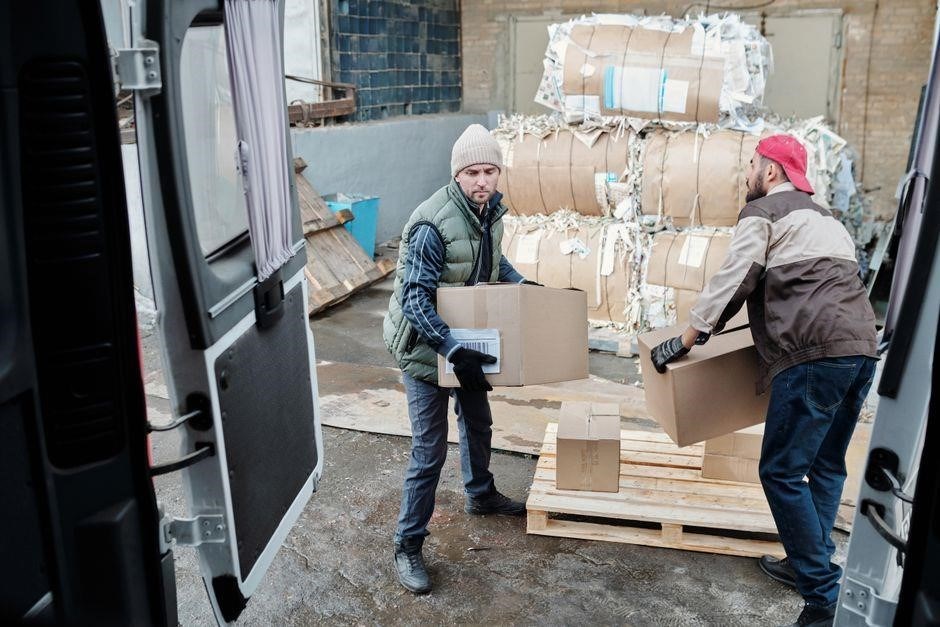
Before lifting‚ assess the load’s weight‚ shape‚ and how long it will be handled. Use a scale or weight estimate guidelines to determine if the load exceeds safe limits. Consider the item’s dimensions: long‚ narrow‚ or irregular shapes increase the risk of awkward postures. Check for sharp edges or protrusions that could cause injury during movement.
Duration matters: a short lift may be acceptable‚ but repetitive or prolonged handling can lead to cumulative strain. If the task requires moving the load multiple times or holding it for an extended period‚ use mechanical aids or team lifting. Record the estimated weight and duration in a quick log for future reference.
Ask yourself: Is the load within the worker’s safe lifting capacity? Does the shape allow a firm grip? Will the load’s weight change during transport? Adjust the plan accordingly—use a dolly for heavy‚ bulky items or split the load if possible. Always communicate with teammates about the load’s characteristics before starting.
Incorporate these checks into the toolbox talk:
- Weigh or estimate the load.
- Inspect shape and any hazards.
- Determine handling duration.
- Decide on aids or team assistance.
By systematically evaluating weight‚ shape‚ and duration‚ you reduce the risk of injury and maintain productivity.
Employ load charts that outline maximum safe weights for different postures and distances. If the load exceeds the chart‚ refuse or seek assistance. Training sessions should cover how to read these charts and apply them on the job. Keep a simple logbook where each lift’s weight‚ shape‚ and duration are noted; review it monthly to spot trends and adjust safety measures.
Remember that even a seemingly light load can become hazardous if carried for long periods or if the worker’s posture is compromised. Encourage workers to take micro‑breaks‚ stretch‚ and switch sides to avoid over‑loading one muscle group. A proactive approach to evaluating load characteristics is the cornerstone of a safe manual handling culture.
By rigorously evaluating every load before it moves‚ you empower the team to act safely and confidently.