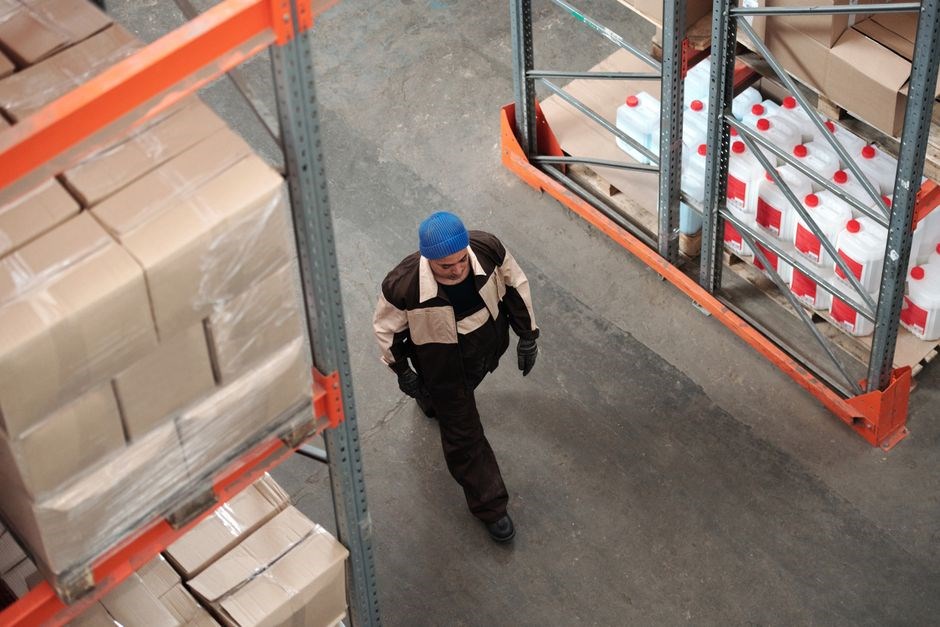
Overview of Warehouse Racking Safety Standards
Warehouse racking safety standards guide ensures load limits, proper stacking, and routine inspections. Compliance with OSHA 1910.176, INTERACK guidelines, and clear floor markings reduces collapse risks and protects workers. Regular audits and employee training reinforce a safety culture daily.
Key Regulatory Frameworks
Warehouse racking safety is governed by a layered set of regulations that collectively protect workers, assets, and the public. The primary federal standard is OSHA 1910.176, which mandates load limits, proper stacking, and routine inspections of pallet racking systems. OSHA also requires that racking be designed, installed, and maintained to prevent collapse, with clear labeling of maximum load capacities and a documented inspection schedule. Complementing OSHA, NFPA 497 provides fire‑resistance ratings for racking materials and dictates separation distances from ignition sources, while ANSI B61.3 offers guidelines for the safe storage of hazardous materials in warehouses. Internationally, ISO 9001:2015 emphasizes quality management and continuous improvement in racking operations, and ISO 45001:2018 focuses on occupational health and safety management systems. Local building codes and fire marshal regulations further refine spacing, egress, and structural load requirements. Together, these frameworks create a comprehensive compliance matrix that warehouse operators must navigate to achieve a safe, efficient, and legally sound racking environment.
Compliance demands that racking systems be inspected by qualified personnel, with documented records accessible to OSHA inspectors. Training must cover load limits, proper stacking, and emergency procedures. Failure to meet standards can result in citations, fines, or shutdowns, underscoring the nature of adherence. Compliance assets alike.

OSHA 1910.176 – Racking and Storage Requirements
OSHA 1910.176 sets strict limits on load capacity, requires racking to be inspected at least twice a year, mandates proper labeling of maximum loads, and enforces safe stacking practices to prevent collapse. Compliance protects workers and assets. Regular audits and records keep compliance steady on!!
Essential Compliance Criteria
Compliance hinges on four pillars: load‑capacity verification, structural integrity checks, secure stacking protocols, and meticulous record keeping. First, every rack must be rated for the maximum load it will carry; this rating must be clearly posted and adhered to. Second, inspections—both visual and mechanical—should occur at least twice yearly, with any defects documented and corrected before re‑use. Third, pallets and goods must be stacked in a manner that prevents sliding or tipping; this includes using blocking, bracing, or interlocking systems as required. Finally, a written log of all inspections, load changes, and corrective actions must be maintained for a minimum of five years, ensuring traceability and accountability. Together, these criteria form the backbone of a safe, compliant racking system.
Adhering to these criteria demands a systematic approach: maintain a master load chart, verify each rack’s rated capacity before use, and enforce a strict no‑overload policy. Inspectors should use calibrated tools to measure rack height, spacing, and load distribution. Any deviation triggers a stop‑work order and corrective action plan. Documentation must capture inspection dates, findings, and corrective measures, and be retrievable for audits. Training programs should refresh operators on load limits, proper stacking, and emergency response. By embedding these practices into daily routines, facilities can reduce incidents, meet OSHA mandates, and safeguard both personnel and inventory.
Forklift Operator Certification and Training
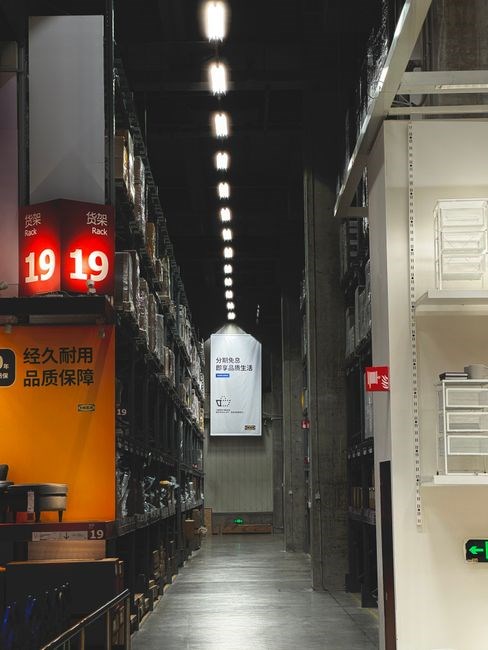
Forklift operators must hold a valid OSHA‑approved certification card, renewed every three years. Training covers hazard recognition, load limits, and safe maneuvering. Documentation of each certification and training session is mandatory. Operators must also complete refresher courses annually
Certification Renewal and Record Keeping
Certification renewal is a cornerstone of warehouse safety. OSHA requires every forklift operator to renew their certification card every three years. Employers must keep a detailed log that records issuance dates, expiration dates, and any refresher training completed. This log should be stored in a secure, easily retrievable location and must be available for inspection by OSHA inspectors at any time. Employers should implement a digital tracking system that flags upcoming expirations, ensuring operators complete their renewal before the deadline. Records should include the operator’s name, the training provider, course content, and any competency assessment results. Proper documentation not only demonstrates compliance but also protects the company from liability in the event of an incident. Failure to maintain accurate records can result in fines, increased scrutiny, and potential shutdowns. Therefore, a robust record‑keeping protocol is essential for both legal compliance and operational safety. Employers should also conduct annual audits of the certification database, cross‑checking each operator’s status against the latest OSHA guidelines. Any discrepancies must be corrected immediately, and corrective actions documented. Training records should reflect the specific forklift models operated, as different models may have unique handling characteristics. By maintaining meticulous records, companies can quickly respond to audit requests, reduce inspection times, and demonstrate a proactive safety culture. Consistent record keeping also supports incident investigations, enabling root‑cause analysis and continuous improvement.
Record retention must cover at least five years, aligning with OSHA guidance, to keep documentation available for audits and incident investigations daily.
Floor Markings and Traffic Management
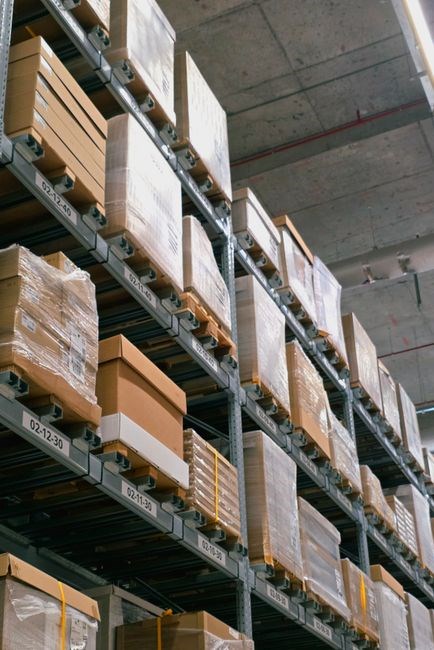
Clear floor markings separate forklift lanes, pedestrian paths, and storage zones. OSHA mandates paint or tape. Markings must be reviewed quarterly, updated after layout changes, and include exit signage. Consistent application reduces collision risk
Designating Lanes for Forklift and Pedestrian Use
Proper lane designation is a cornerstone of warehouse safety, ensuring that forklifts and pedestrians move predictably and without conflict. OSHA’s 1910.176 requires that forklift lanes be at least 10 ft wide in most facilities, with a minimum of 12 ft in high‑traffic areas. These lanes must be clearly marked with high‑visibility paint or tape, and the markings should be refreshed at least quarterly to maintain legibility. Pedestrian lanes, on the other hand, should be at least 6 ft wide, with a 2‑ft buffer zone on either side to accommodate forklifts passing by. The buffer zone should be marked with a different color or pattern to signal the transition between vehicle and foot traffic. In addition, all lane markings must be placed on the floor surface, not on walls or ceilings, to avoid misinterpretation during night shifts or in low‑light conditions. Signage should complement the markings, using pictograms that illustrate the direction of travel and the type of traffic allowed. For example, a forklift icon with a directional arrow can indicate a one‑way forklift lane, while a pedestrian icon can denote a foot‑only zone. When layout changes—adding a new rack or reconfiguring a dock—the lane designations must be updated immediately. This update process should involve a safety audit to confirm new lanes meet OSHA width requirements and train employees on changes daily. Finally, a schedule should inspect and repair worn markings, keeping lanes and compliant with standards daily.
Emergency Action Plans (EAPs) for Warehouse Operations
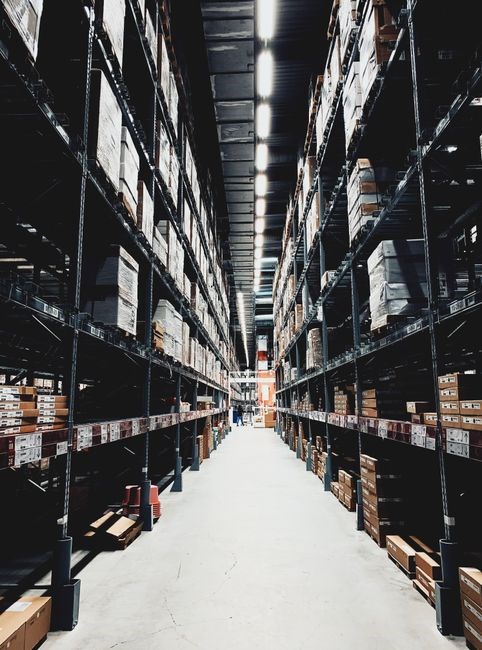
EAPs outline evacuation routes, fire suppression, and communication protocols. They define roles, muster points, and emergency contacts. Regular drills and updates ensure readiness, aligning with OSHA 1910.176 and local regulations. All employees must review the plan annually to maintain compliance.
Procedures for Fire, Tornado, Hurricane, and Flooding
Warehouse EAPs must address fire, tornado, hurricane, flooding.
For fire, employees should know exits, use extinguishers, and activate the alarm within 30 seconds of detection.
For tornadoes, plan designates a reinforced safe room, requires employees to move immediately, and includes a 15‑minute shelter period.
Hurricane protocols call for securing loose items, closing windows, and using the hurricane‑rated zone.
Flooding procedures require elevating equipment, shutting down electrical panels, and using portable pumps.
All actions are documented in a log, updated after each drill, and reviewed quarterly to align with OSHA 1910.176 and local codes.
Training sessions cover emergency signals, evacuation routes, and safety equipment.
Clear signage, color‑coded lanes, and a real‑time communication system ensure that every employee can respond quickly and safely during any events.
Additionally, the EAP mandates that all storage racks be inspected at least annually, with any identified deficiencies documented before resuming operations. Employees must be trained to recognize signs of structural compromise, such as sagging beams or misaligned bolts, report them immediately. The plan also specifies that emergency supplies—first aid kits, fire extinguishers, and portable pumps—be maintained in accessible locations and inspected monthly. Finally, the EAP includes a post‑incident review process to evaluate response effectiveness and update procedures accordingly.

Rack Inspection Programs and Documentation
Rack inspection programs mandate regular checks, record keeping, and corrective actions. Documentation must include inspection dates, inspector names, findings, and follow‑up status. Compliance with OSHA 1910.176 and INTERACK guidelines ensures safe operations. All records stored, reviewed quarterly online!.
INTERACK Systems and Inspection Guidelines
INTERACK provides a comprehensive framework for inspecting pallet racking systems, ensuring compliance with OSHA 1910.176 and industry best practices. The program requires a structured schedule: initial baseline inspections, quarterly follow‑ups, and annual full‑system reviews. Inspectors must verify load capacities, confirm that all tiers are properly blocked or interlocked, and check for signs of wear or damage. Documentation is critical; each inspection generates a detailed report that records the date, inspector credentials, observed deficiencies, and corrective action plans. Reports are stored electronically in a secure database, enabling trend analysis and audit readiness. The system emphasizes preventive maintenance: any identified issues—such as bent beams, loose bolts, or compromised safety devices—must be addressed before the next cycle. Training modules accompany the guidelines, covering proper inspection techniques, hazard recognition, and record‑keeping standards. By adhering to INTERACK’s rigorous criteria, facilities demonstrate a proactive commitment to safety, reduce the risk of rack collapse, and align with OSHA’s enforcement expectations. Additionally, the system integrates real‑time monitoring tools that alert managers to critical thresholds, allowing rapid response to emerging risks. Stakeholders receive quarterly performance dashboards that highlight inspection compliance rates, incident trends, and cost‑effective improvement opportunities. The guidelines also stipulate that any modifications to the racking configuration—such as adding new load cells or changing pallet dimensions—must be re‑inspected and documented to maintain certification status. Finally, INTERACK encourages collaboration with OSHA inspectors during compliance reviews, fostering transparency and continuous improvement.
Chemical Storage and Compressed Gas Cylinder Safety
Compliance with OSHA 1910.176 mandates proper segregation of chemicals, use of compatible racks, and secure cylinder storage. Install ventilation, fire suppression, and labeling. Regular inspections and employee training mitigate hazards and ensure regulatory adherence. All. Safety first. !!!
Specific OSHA Requirements and Best Practices
Warehouse racking safety standards pdf outlines specific OSHA requirements for chemical storage and compressed gas cylinders. Key provisions include segregation of incompatible materials, use of corrosion‑resistant racks, and compliance with 1910.176 sub‑sections (a)–(f). Racks must be rated for the maximum load, and each cylinder should be stored upright on a dedicated shelf with a minimum 3‑inch clearance from the rack edge. Ventilation is mandatory; the area must have adequate airflow to prevent gas accumulation, and fire suppression systems should be installed in accordance with NFPA 30. Labeling must be ISO 7010 compliant, with hazard pictograms and proper hazard statements. OSHA also requires a written storage plan that identifies the location of each chemical, the quantity, and the method of containment. Employees handling these materials must receive specific training on spill response, personal protective equipment, and emergency shutdown procedures. Regular inspections, documented in an INTERACK‑style log, should occur at least quarterly, noting any corrosion, damage, or improper stacking. Records of inspections, training, and incident reports must be retained for a minimum of five years to satisfy OSHA audit requirements. By adhering to these best practices, warehouses can reduce the risk of chemical release, protect workers, and maintain compliance with federal regulations.
In addition, OSHA mandates that compressed gas cylinders be stored in a dedicated, well‑ventilated area with a maximum of 20 cylinders per rack, and that each cylinder be labeled with its contents, pressure rating, and safety data sheet reference. The rack design must prevent overhang and allow for easy removal. A spill containment plan, including absorbent mats and spill kits, should be readily accessible. All safety signage must be visible and illuminated during night shifts. Periodic drills should be conducted to ensure that all employees can evacuate safely in the event of a gas leak or fire. Compliance with these detailed requirements not only protects personnel but also safeguards the facility from costly fines and potential litigation.
Adhering to these standards ensures safe handling and storage, reducing incidents and meeting regulatory expectations!
Common Violations, Fines, and Liability Protection
Common violations include overloaded racks, improper blocking, and missing floor markings. Fines can reach $10,000 per violation, with potential civil penalties. Liability protection hinges on documented compliance, regular inspections, and employee training. and ongoing audits to mitigate and compliance!!.
Risk Mitigation Strategies for Compliance
Risk mitigation starts with a comprehensive audit program that documents every rack’s load capacity, structural integrity, and adherence to 1910.176. Audits should occur quarterly, using a detailed checklist covering load distribution, blocking, and interlocking. Findings are logged and corrective actions tracked to closure.
Second, enforce strict load limits by installing calibrated load cells or weight indicators on high‑risk racking. These devices provide real‑time alerts when a rack approaches its maximum capacity, preventing overloading before collapse occurs.
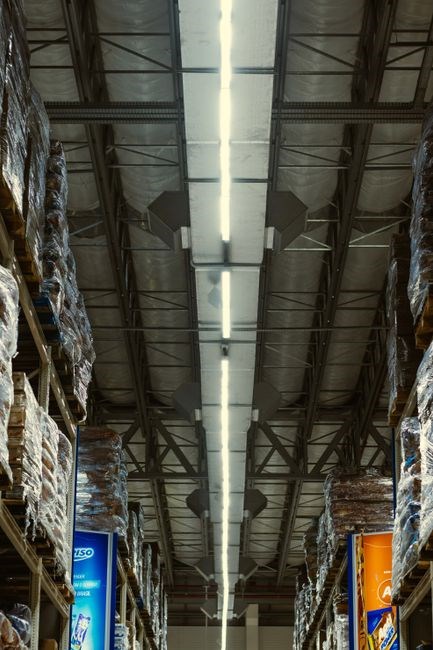
Third, maintain a rigorous inspection schedule for all racking components—columns, beams, and connections. Use the INTERACK system or equivalent software to log inspection dates, results, and required repairs. Automated reminders reduce human error and ensure timely maintenance.
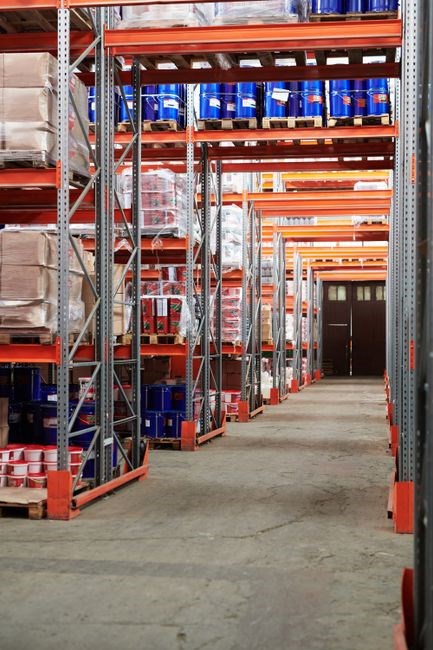
Fourth, train all personnel—racking handlers, forklift operators, and supervisors—on safe stacking practices, proper use of blocking devices, and emergency response procedures. Certification records should be kept in a central database and reviewed annually.
Finally, implement a robust incident reporting system that captures near‑misses, equipment failures, and safety observations. Analyzing these reports helps identify trends, enabling proactive adjustments to policies and training before incidents become violations.
Continuous improvement requires regular safety audits, loops, and training modulesok!!