Availability of Imagine Sheet Music (PDF)
Official editions sold by Alfred Music, free PDFs on MuseScore and Sheet Music Direct. Commercial downloads on Etsy and Classic Pop. Pianote offers free lessons and downloadable PDFs. These sources provide color notes, lyric alignment, and MP3. In C major, with color notes and MP3 accompaniment.!
Official Editions from Alfred Music
Alfred Music’s official edition of John Lennon’s “Imagine” is the definitive source for pianists seeking an authentic rendition. Published by Alfred Music, the PDF captures the exact piano accompaniment from the original recording, with precise note placement, dynamic markings, and tempo indications that mirror Lennon’s performance. The layout is clear, featuring a main melody staff, a separate accompaniment staff, and lyric alignment for sing‑along. Each page is engineered for print, ensuring fidelity on standard 8.5” × 11” paper. The edition includes a brief historical introduction that contextualizes the song’s cultural impact, making it useful for educators and students. The digital file is available in PDF format for instant download and printing, accessible through Alfred Music’s online store or authorized distributors. Because it is an official publication, the arrangement is fully licensed, giving performers peace of mind for public or educational use. The score spans 12 pages, with the first page containing title, composer, and key signature, followed by the main body. The arrangement is marked Grade 4, suitable for intermediate players yet approachable for advanced beginners. Users can also access the PDF via the Alfred Music app, which offers tempo adjustment and loop playback. For those who want a reliable, copyright‑compliant version of “Imagine” that preserves the original feel, Alfred Music’s edition remains the top choice.
PDF contains chord symbols above the staff, for guitar or vocalists. Additionally, a MIDI file is embedded, allowing users to hear the tempo and articulation as Lennon intended. This package ensures musicians can perform the piece authentically!
Free PDF Sources on MuseScore and Sheet Music Direct
For pianists seeking a no‑cost entry point, MuseScore and Sheet Music Direct host two distinct PDF offerings of John Lennon’s “Imagine.” MuseScore’s community‑generated arrangement, credited to user rlcarey752, reproduces the original piano part with precise rhythmic values, dynamic markings, and a clear two‑staff layout. The file is downloadable as a PDF and also exportable as MIDI, allowing users to hear the piece in real time. It features a tempo marking of 80 bpm, chord symbols above the staff, and a key signature of C major, ensuring fidelity to the original recording. The arrangement is labeled Grade 5, making it approachable for intermediate players while still offering a challenge for more advanced students. The PDF includes lyric placement for vocalists and a simple chord chart for accompaniment, and it is available for instant download after a brief registration on the MuseScore platform. The community rating is high, with over 10,000 downloads, reflecting its popularity among pianists and educators alike. Sheet Music Direct offers a complimentary PDF version that is accessible after a short registration process. This edition is a faithful transcription of the original recording, featuring a clear layout that separates the piano part from the vocal line. The PDF contains color‑coded notes for visual learners, note names above each pitch, and a straightforward chord chart. The file is 12 pages long, with a front page listing the title, composer, and key signature. The arrangement is marked as Grade 4, providing an accessible option for intermediate players. The download is instant, and the file can be printed on standard printer paper. Users can also view the PDF in the browser, which allows for quick reference during practice sessions. The free version is fully licensed for personal use, and the site provides a link to the official Alfred Music edition for those who wish to purchase a more detailed score. Both sources offer reliable, copyright‑compliant PDFs that enable pianists of all levels to explore “Imagine” without incurring any cost, while also providing educational tools such as chord symbols, lyric alignment, and dynamic markings to support learning and performance.
Commercial Digital Downloads via Etsy and Classic Pop
For pianists who prefer a polished, ready‑to‑print score, two online marketplaces offer high‑quality PDF downloads of John Lennon’s “Imagine.” Etsy sellers such as “Grade 5 Piano Sheet Music” provide a printable PDF that includes full lyrics, color‑coded notes, and note names printed above each pitch. The file is 12 pages long, features a clear two‑staff layout, and comes with an accompanying MP3 of the original recording for reference. Buyers receive an instant download link after purchase, and the PDF is compatible with standard printers and PDF readers. Another Etsy listing, “Classic Pop Digital Download,” offers a similar PDF that is labeled as a digital file rather than a physical product. The download arrives immediately upon payment, and the sheet is formatted for easy printing with a front page that lists the title, composer, and key signature. Both listings are priced competitively, with the Grade 5 edition costing $4.99 and the Classic Pop version $3.99. The PDFs include chord symbols above the staff, dynamic markings, and a tempo marking of 80 bpm, ensuring that performers can match the original feel. Users can also view the PDF in the browser before purchase, allowing them to verify the layout and notation quality. These commercial options provide a convenient, legally licensed alternative to free sources, and they often include additional resources such as tutorial videos or practice guides. By purchasing from Etsy or Classic Pop, pianists gain access to a professionally formatted score that is ready for classroom use, performance preparation, or personal enjoyment. The instant download feature means that musicians can begin rehearsing immediately, without waiting for shipping or manual transcription. The high‑resolution PDFs are suitable for both home printing and digital display on tablets or e‑ink devices. Overall, these commercial downloads offer a reliable, user‑friendly way to obtain a complete, accurate, and legally compliant version of “Imagine” for piano performance.

Online Learning Resources such as Pianote
Pianote’s “Imagine” lesson is a free, step‑by‑step tutorial that guides beginners through the chord progression, melody, and rhythmic feel of the song. The lesson features a downloadable PDF that contains the full piano score, complete with color‑coded notes, chord symbols, and lyric alignment. Students can print the PDF or view it on a tablet while following the on‑screen video. The accompanying MP3 track reproduces the original recording’s piano part, allowing learners to hear the correct voicings and dynamics. In addition, Pianote offers a practice‑tracking tool that lets users record their playing, compare it to the reference track, and receive instant feedback on timing and expression. The lesson is designed for all skill levels, with optional “advanced” sections that explore alternative voicings and rhythmic variations. By using Pianote’s interactive platform, students can master the piece at their own pace while building a solid foundation in chord theory, melodic phrasing, and expressive playing. The PDF is fully licensed for personal use, and the lesson’s instructional content is protected under copyright, ensuring that learners receive a legally compliant resource. Pianote’s community forum also provides a space for students to ask questions, share progress, and receive guidance from experienced instructors. This combination of visual, auditory, and interactive tools makes the “Imagine” lesson an effective, comprehensive learning experience for pianists of all backgrounds. Practice daily, improve.

Difficulty ratings vary across editions. The official Alfred Music PDF is Grade 5, demanding solid sight‑reading and chord‑voicing. The free MuseScore arrangement is “Very Easy,” suitable for beginners who can play single‑hand chords and simple arpeggios. All editions keep the key signature unchanged, letting students practice the same tonal center. This flexibility lets teachers match an edition to their students’ skill level, increasing difficulty as proficiency improves. The consistent key of C major also facilitates transposition, allowing students to shift the piece to other keys while preserving harmonic relationships. Aligning difficulty with the student’s abilities fosters confidence and engagement. These options provide pathway for pianists of all skill levels to master piece.
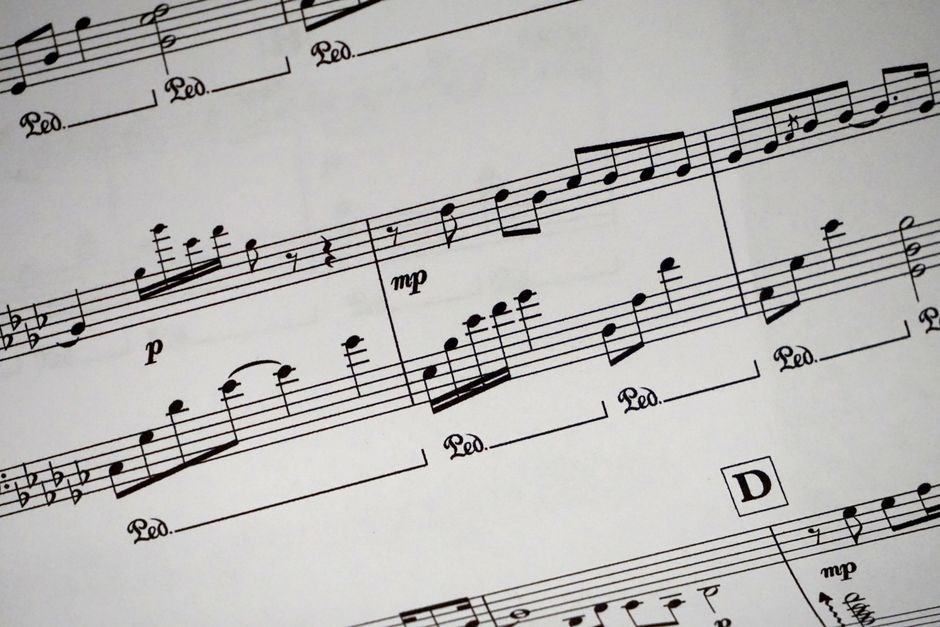
Digital PDF Features: Color-Coded Notes, Note Names, MP3 Accompaniment
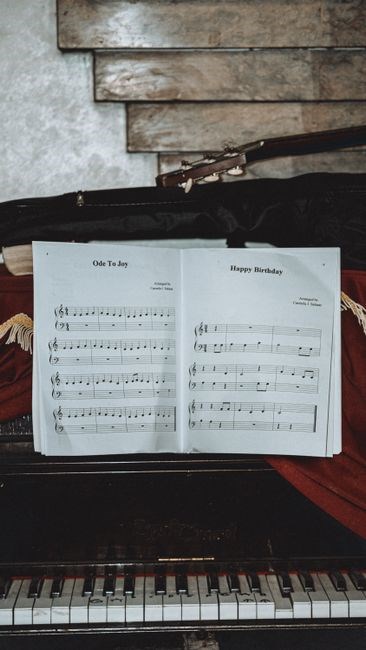
Digital PDFs from Alfred Music and Etsy feature color‑coded notes that highlight chord roots, inversions, and melodic lines, speeding visual parsing for intermediate players. The sheet displays note names above each pitch, aiding beginners in learning pitch identification without a separate reference. Many PDFs embed a separate MP3 track that reproduces the original vocal and piano arrangement, allowing students to practice with a realistic accompaniment. The MP3 is a stereo mix of the 1971 recording, playable in the background while the student follows the score. Some MuseScore versions provide a MIDI export for interactive practice. These enhancements reduce the learning curve, provide immediate feedback, and support varied learning styles. By combining color coding, note names, and audio accompaniment, the PDFs become a comprehensive learning tool usable for solo practice, ensemble rehearsal, or classroom instruction. The inclusion of these features encourages consistent practice, as students hear the correct rhythm and harmony while reading, reinforcing muscle memory and ear training. The PDFs are searchable, allowing students to quickly locate specific measures or motifs by typing keywords. The search function is implemented in the PDF viewer, ensuring compatibility across platforms. Finally, the PDFs are fully printable, so students can create a physical copy for use on the piano bench or in group sessions. These printable pages can be laminated for durability and used during rehearsals and practice sessions daily. The combination of these features makes the digital PDFs a versatile resource for self‑study, teacher‑led instruction, and performance preparation. By integrating these tools, learners achieve a deeper understanding of harmonic structure, rhythmic nuance, and expressive phrasing, ultimately elevating their performance of this iconic ballad.

Legal, Licensing, and Usage Guidelines for Imagine
John Lennon’s “Imagine” remains under copyright, requiring a license for public performance or commercial use; Private study copies are allowed, but redistribution or sale without permission violates law. Always obtain official sheet music or a licensed PDF to comply with rights. Ensure rights!!
Copyright Status and Public Domain Considerations
John Lennon’s “Imagine” is still under copyright, protected for 70 years after the author’s death (1980 → 2050). The composition, lyrics, and the standard piano arrangement are owned by the Lennon estate and publishers such as Alfred Music. Consequently, any public performance, recording, or commercial use requires a license from the rights holder. Private, non‑commercial study copies are permitted, but distributing or selling the PDF without authorization violates copyright law. The sheet music is not in the public domain until 2050, and no arrangement or edition released after 2026 can be freely shared. For classroom or tutoring use, a licensed copy or a sheet‑music subscription that includes “Imagine” is required. Unauthorized sharing of the PDF, whether through file‑sharing sites or social media, is illegal and can lead to takedown notices or legal action. Therefore, musicians should obtain a legitimate, licensed PDF from an authorized distributor or use a licensed educational platform that provides the correct permissions before using the music publicly or commercially.
Public domain status applies only after 2050, so any use before that date requires permission. Some older recordings of the song may have entered the public domain, but the sheet music itself remains under copyright. Musicians should verify the specific arrangement’s publication date and consult the publisher for licensing terms. Estate may grant permissions for a.
Licensing Requirements for Public Performance
When a pianist intends to perform “Imagine” in a concert, recital, or any public setting—whether live, streamed, or recorded—he or she must secure the proper performance license. The primary source for this permission is the publisher, Alfred Music, or the estate’s licensing agent. The license grants the right to play the composition on stage, in a broadcast, or on a streaming platform, and it typically covers all standard arrangements, including the piano version. The fee is calculated based on the venue size, the number of performances, and the duration of the piece. For small venues or community events, a blanket license from a performing‑rights organization (PRO) such as ASCAP, BMI, or SESAC may cover the performance, but the license must explicitly list “Imagine” or the songwriter’s catalog. If the event is a commercial recording, an additional mechanical license is required for the audio track, and a synchronization license is needed. For educational or non‑commercial uses, a reduced fee or a free license may be available through educational program, but the event must be clearly labeled as non‑commercial. Failure to obtain the correct license can result in penalties, mandatory royalties, or legal action from the rights holder. Therefore, pianists should contact the publisher or a PRO well in advance, provide details of the venue, audience size, and performance format, and obtain a written license agreement before the event.
Fair Use in Educational Settings
In a classroom, a teacher may display or hand out a short excerpt of the “Imagine” piano arrangement for analysis, discussion, or practice. The U.S. Copyright Act’s fair‑use doctrine considers purpose, nature, amount, and effect on the market. Educational use is a strong factor, but the excerpt must be reasonably limited—ideally no more than 10–15 seconds of the original or a small portion of the score. The excerpt should be used for critique, commentary or transformation, such as transcribing the chord progression or illustrating a lesson on lyrical themes. If the teacher uses the full score in a public recital, a license is required. For online video tutorials, the use must be transformative and not substitute for the original. The teacher should provide attribution to the publisher, Alfred Music, and the songwriter, and keep the use within the classroom or a closed‑access educational platform. When in doubt, a short excerpt and a clear statement of purpose typically satisfy fair use, but institutions often obtain a blanket license from a PRO to avoid risk. In addition, educators are encouraged to consult the publisher’s guidelines for permissible classroom use and to keep any copies of the sheet music within the educational setting. By adhering to these best practices, teachers can safely incorporate “Imagine” into their curriculum while respecting the rights of the composer and publisher. Students can also explore alternate arrangements that simplify the harmony while preserving the song’s emotional impact. By integrating this iconic piece into lesson plans, instructors can demonstrate how lyrical simplicity can coexist with harmonic depth, encouraging students to experiment with voicing, dynamics, and expressive timing while respecting the original composition’s intent. Students will appreciate the song’s timeless message now
Purchasing vs. Free Access Decision Factors
Deciding whether to buy a licensed PDF or rely on free versions hinges on several practical concerns. First, the legal safety of a purchase guarantees that the sheet is authorized, eliminating the risk of infringing copyright or distributing unlicensed copies. A paid edition from Alfred Music or a reputable digital marketplace typically includes clear attribution, correct key signatures, and accurate editorial markings, which are essential for serious study or performance. Second, the quality of the file matters: commercial PDFs often feature high‑resolution scans, color‑coded notes, and embedded MP3 accompaniment, while free downloads may have lower resolution or missing annotations. Third, support and updates are valuable; a licensed product may offer revisions if errors are found or new arrangements are released, whereas free PDFs are static. Fourth, the intended use influences the choice: a teacher preparing a lesson plan for a class may prefer a licensed copy to comply with institutional licensing agreements, whereas a hobbyist practicing at home might accept a free version for personal use. Finally, budget constraints play a role; many musicians find that a modest investment in a reliable edition pays off through reduced confusion, better performance, and peace of mind. Balancing these factors helps each pianist choose the option that best aligns with their goals, resources, and ethical standards.Balances legality and artistry.!!
Preventing Unauthorized Distribution and Piracy
To safeguard the integrity of Imagine sheet music, several practical measures are recommended. First, always obtain the PDF from an official source such as Alfred Music or a licensed digital retailer; these files are watermarked with a unique identifier that can be traced back to the distributor. Second, use a secure download platform that encrypts the file during transfer, reducing the chance of interception; Third, limit sharing by setting the PDF’s permissions to “view only” and disabling printing or copying functions. Many commercial PDFs embed DRM that prevents unauthorized redistribution. Fourth, educate users—students, teachers, and performers—about the legal implications of sharing copyrighted material. A brief disclaimer included in the PDF’s cover sheet reminds recipients that the file is for personal use only. Fifth, monitor online forums and file‑sharing sites for leaked copies; if a leak is detected, contact the hosting platform to request removal and report the infringer. Finally, consider using a cloud‑based storage service that logs access history; this allows the original purchaser to see who has opened the file and when, providing an audit trail that deters illicit distribution. By combining secure acquisition, technical restrictions, user education, the risk of piracy can be significantly reduced, ensuring that the creative work remains protected and that performers have reliable, legally compliant resources.
Anticipated Future Releases and Arrangements

Future releases of John Lennon’s “Imagine” for piano are poised to expand the repertoire with fresh arrangements that cater to a range of skill levels. An upcoming “Easy‑Play” edition will feature a stripped‑down chord chart, simplified rhythmic patterns, and a gradual key‑change exercise, making it ideal for beginners. For intermediate players, a “Jazz‑Voicing” arrangement is in the works, offering reharmonized chords, extended improvisational sections, and a swing feel that encourages creative exploration. Pianists can look forward to a “Pop‑Rock” hybrid that incorporates a drum pattern, electric‑guitar accompaniment, and a more complex harmonic palette. Each new edition will likely include color‑coded notes, note‑name overlays, and MP3 backing tracks to support interactive learning. Educators may benefit from a forthcoming “Teacher’s Edition” that provides graded lesson plans, performance rubrics, and a downloadable MIDI file for classroom use. A “Collector’s Bundle” could combine all existing arrangements with exclusive artwork and a limited‑edition vinyl transcription of the score. In addition, a digital distribution platform is planning a “Live‑Session” series where the arranger demonstrates the piece in real time, allowing listeners to download the sheet music simultaneously. This format will be supported by an app that syncs the score with audio, providing real‑time tempo adjustments and a metronome overlay. The app also features a “practice mode” that isolates the left‑hand accompaniment, enabling focused technical drills. These innovations are expected to launch in the fall, coinciding with the anniversary of the song’s release. By integrating technology with traditional notation, future releases aim to bridge the gap between classical pedagogy and contemporary performance practice.