Popular Free Pattern Sources
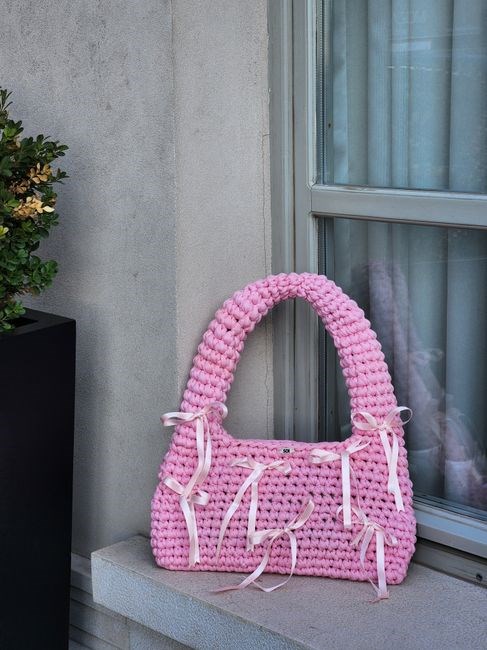
Lovecrafts.com hosts a wide array of downloadable crochet bag designs, many free and printable. Ravelry offers a community‑curated library where users share PDF patterns for totes, satchels, and more, often with step‑by‑step photos.
Lovecrafts and Ravelry host user reviews, making pattern choice easier!!
Lovecrafts.com Free Bag Patterns
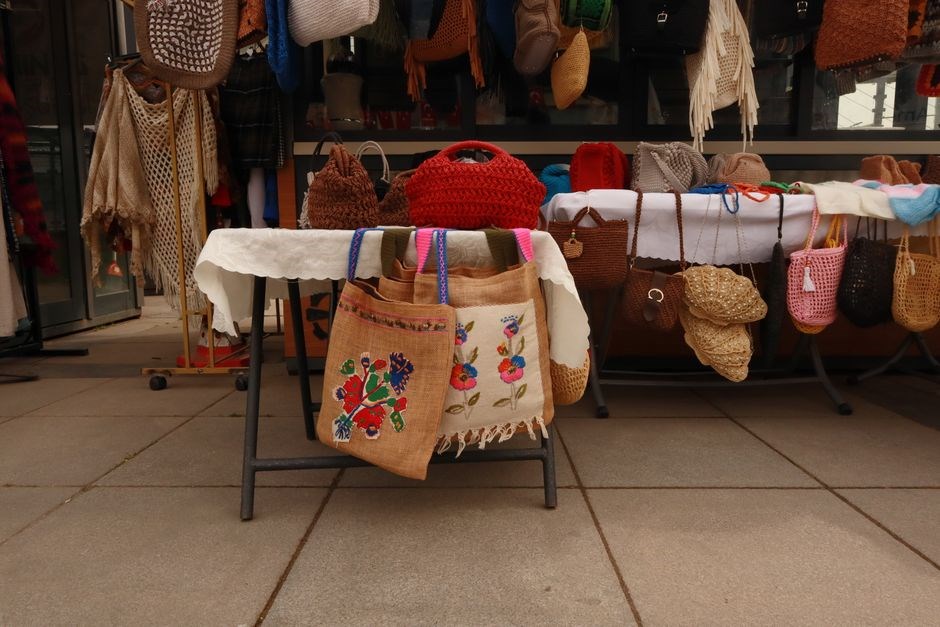
Lovecrafts.com offers free crochet bag patterns in PDF format, allowing crafters to download and print them easily. The patterns cover a range of styles, from simple tote bags to elaborate satchels, each with clear stitch instructions, gauge details, and recommended yarns. Users can filter by difficulty level, size, and color scheme, ensuring a match with their skill level and aesthetic preference. The PDF format ensures offline accessibility, enabling crocheters to work without an internet connection. Community reviews and ratings on Lovecrafts.com provide insight into pattern quality and ease of execution. By exploring the free section, crafters can experiment with new designs without financial commitment, fostering creativity and skill development. Beyond the basic offerings, Lovecrafts.com also provides a range of advanced patterns such as adjustable strap totes, multi‑layered satchels with hidden pockets, and eco‑friendly options that use recycled yarns or natural fibers; these patterns come with detailed stitch charts, gauge notes, color suggestions, and optional embellishment ideas that allow crafters to personalize each bag to their own style, while the PDF format ensures that the pattern can be printed on any device, stored offline, and referenced repeatedly throughout the crocheting process, making it a versatile resource for both beginners and seasoned crocheters alike. and share photos. now!!
Ravelry Free Pattern Collections
Ravelry’s free pattern library is a treasure trove for crocheters seeking downloadable bag designs. The site hosts thousands of PDF patterns, ranging from basic tote bags to intricate satchels, all shared by a global community of makers. Each pattern includes a stitch chart, gauge notes, recommended yarn weights, and step‑by‑step instructions that are easy to follow. Users can filter by bag type, size, difficulty, and even color palette, ensuring that the pattern matches their skill level and personal taste. The free section also offers seasonal collections, such as holiday‑themed bags or summer totes, and many patterns feature optional embellishments like fringe, appliqué, or decorative buttons. Ravelry’s community reviews and ratings help crafters gauge the pattern’s clarity and difficulty, while the comment sections provide tips for troubleshooting common issues. Because the patterns are PDF, they can be printed on any device, saved offline, and referenced repeatedly during the crocheting process. The platform also encourages collaboration: users can upload their own variations, share photos of finished projects, and discuss yarn choices, making Ravelry a dynamic learning environment. Whether you’re a beginner looking for a simple tote or an experienced crocheter seeking a complex, multi‑layered bag, Ravelry’s free pattern collections provide a reliable, cost‑effective resource for expanding your crochet repertoire. The community’s shared resources make it easy to experiment, swap ideas, and create unique, personalized bags that reflect individual new skill.
Types of Crochet Bag Patterns
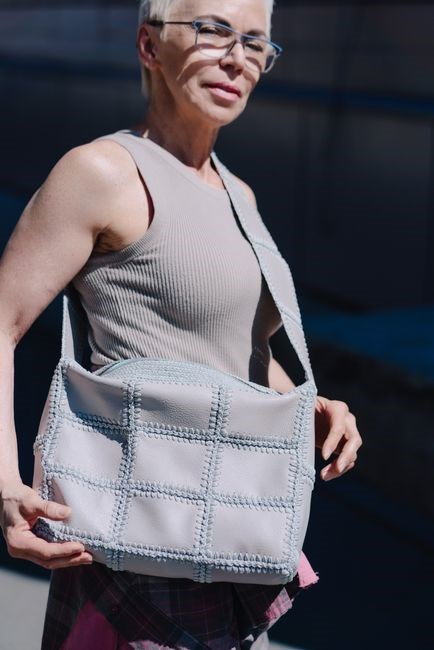
Free PDF patterns showcase a range of styles: granny square totes, smooth plain designs, satchels and pouch variations. Each pattern offers clear stitch charts, gauge notes, and embellishments, making them beginner‑friendly yet versatile for seasoned crocheters quickly fast!
Granny Square Tote Bags
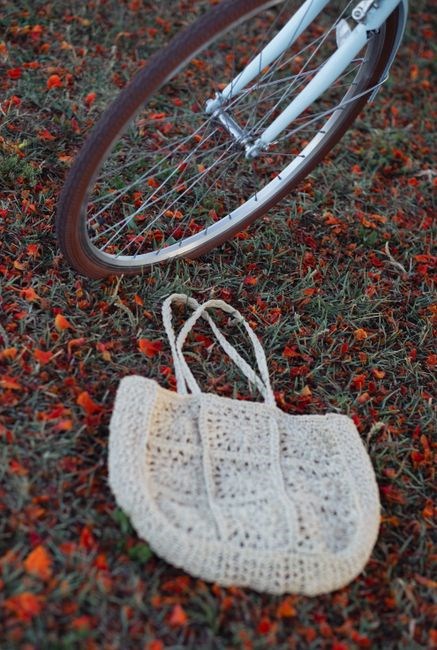
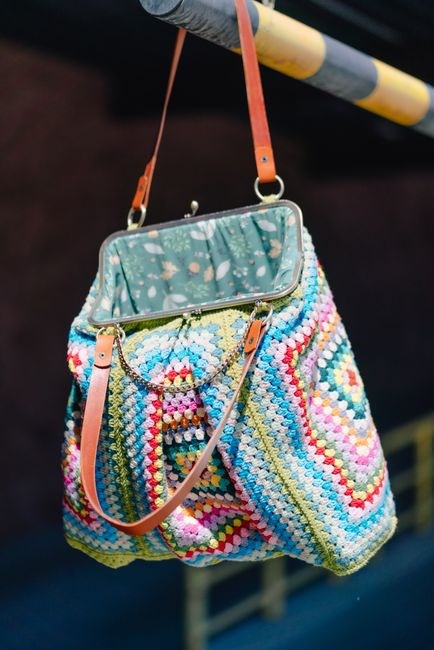
Free PDF patterns for granny square totes are a staple in the crochet community, offering a blend of classic charm and modern versatility. These designs typically feature a modular construction where individual granny squares are joined edge‑to‑edge to create a large, square‑shaped body. The patterns often include a clear stitch chart, a list of required yarns and hooks, and a gauge section to help you adjust the size to your preferred dimensions. Many of the PDFs also provide a step‑by‑step photo guide, allowing even beginners to follow along with confidence. The construction process usually begins with a foundation chain, followed by a series of rounds that build the square’s perimeter. Once the squares are completed, the pattern will instruct you to sew the squares together using a slip stitch or a simple back‑stitch, ensuring a sturdy seam that can support everyday items.
One of the standout features of these granny square tote patterns is the ability to customize the color palette. Because each square is a separate unit, you can mix and match yarn colors to create a patchwork effect or keep a single hue for a more uniform look. The patterns often suggest a range of yarn weights—from bulky to worsted—so you can choose a material that balances durability with a comfortable hand feel. Hook size recommendations are typically provided, and the patterns may even include an optional strap section, either crocheted from the same yarn or attached using a pre‑made strap for added convenience.
Beyond the basic construction, many free PDFs offer optional embellishments such as fringe, tassels, or decorative motifs that can be added to the tote’s corners or edges. Some patterns include a small pocket or a zippered compartment, turning the tote into a functional organizer. The instructions are usually written in a concise, easy‑to‑read format, with clear abbreviations and a glossary of terms for newcomers. The final product is a lightweight, spacious bag that can be used for groceries, books, or as a stylish everyday carry.
Because the granny square tote is a modular design, it’s also a great teaching tool. Instructors on platforms like YouTube often use these patterns to demonstrate basic granny square techniques, stitch charts, and how to join pieces together. The free PDFs are typically available for instant download, and many creators encourage sharing your finished projects on social media, fostering a sense of community and inspiration among crocheters worldwide. Whether you’re looking to create a simple, functional bag or a decorative statement piece, the free PDF granny square tote patterns provide a reliable and creative starting point for your next crochet project.
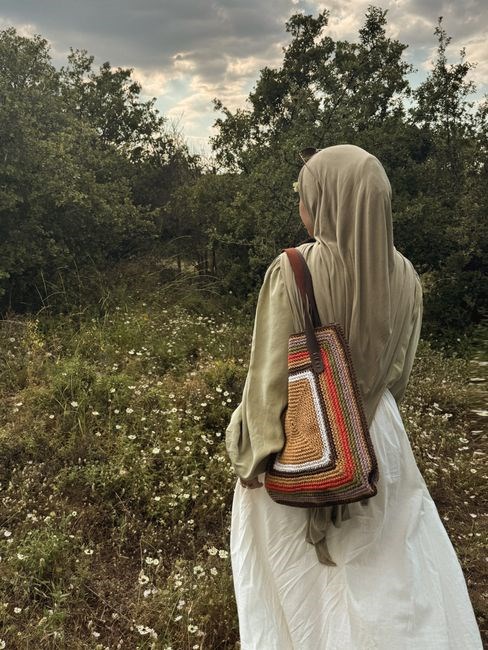
Striped and Simple Tote Designs
Free PDF patterns for striped and simple crochet totes are prized for their clean aesthetics and ease of execution. These designs typically feature a straight‑forward construction: a rectangular or square body made from a single color, followed by a contrasting stripe that runs along the top or bottom edge. The stripe is usually created by alternating yarn colors in a simple chain or single‑crochet stitch, giving the tote a subtle yet eye‑catching visual cue. The patterns often include a clear gauge chart so you can adjust the stitch density to achieve the desired size, whether you want a compact lunch bag or a roomy grocery tote.
Because the stripe is a single color block, it’s easy to swap yarns for seasonal themes or personal preference. Many free PDFs suggest using a contrasting yarn weight for the stripe to add texture, while others recommend a subtle color shift for a more monochromatic look. Hook size recommendations are usually included, and the patterns often allow for optional features such as a detachable strap, a small interior pocket, or a reinforced bottom for added durability. The final tote is lightweight, functional, and can be dressed up or down depending on the occasion.
These PDFs are often accompanied by a short video tutorial on YouTube, which demonstrates the stitch sequence and how to join the stripe to the body. The community forums on Ravelry allow crocheters to post photos of their finished totes, ask for tweaks and swap yarn recommendations, making the learning curve smoother and more collaborative.
Craft your tote!!.
Step-by-Step Guide to Using PDF Patterns
Download the PDF from the source, then print it on good quality paper. Open the file in a PDF viewer, zoom to 100% to read stitch details. Follow the gauge chart to choose the correct hook size, then begin crocheting as illustrated, noting any color changes and stitch counts. Use the stitch count to verify size!
Downloading and Printing PDF Patterns
Downloading a free crochet bag pattern PDF starts with finding a trusted source like Lovecrafts.com or Ravelry. Click the “Download” button, choose a folder, and name the file with the pattern title. Open the PDF in your viewer; if you want to print, press the print icon or use Ctrl+P (Cmd+P on Mac). In the print dialog, pick your printer, set paper size to A4 or letter, and choose “Fit to page” or “Scale to 100%” to keep proportions. Many patterns include a gauge chart; print it at the same scale to ensure accurate stitch counts. After printing, check for missing pages or misaligned images. For a clean look, use high‑quality paper or cardstock, especially if you’ll display the pattern. Check the stitch count. Adjust if needed. For best results. Finally, staple or bind the pages and label the top with the pattern name for quick reference during crocheting.
Before you start, scan the PDF for yarn weight, hook size, or special stitches. Many free patterns include a “Materials” section; print it separately to keep handy. Some patterns provide a “Quick Reference” sheet listing stitch abbreviations; printing this on a small card saves time. If the pattern is large, print it in two parts: the main body on one sheet and the back panel on another, then align them on a drafting board for easier navigation. By following these steps, you’ll have an organized set of printed patterns that guide you from the first stitch to the finished bag.
Interpreting Pattern Notations and Images
When you open a free crochet bagPDF, the first thing to look for is the “Abbreviations” section; Most designers follow a standard set: ch for chain, sc for single crochet, dc for double crochet, sl st for slip stitch, and st for stitch. If the pattern uses a shorthand, the PDF will list it in a table, so keep that table handy as you work. The “Gauge” chart is equally important; it tells you how many stitches per inch you should aim for, ensuring the bag’s dimensions match the designer’s intent.
Images are usually placed beside or below the instructions for each section. They show the stitch pattern in full view and a close‑up of the stitch itself. Pay attention to the color coding: a darker line often indicates a stitch that should be worked in a different color or a stitch like a treble crochet. If the PDF has a “Notes” column, read it carefully; it may explain a turn or a way to reduce bulk at a seam. When the pattern references a “repeat,” the image will often show a small arrow pointing back to the start of the repeat block.
Some PDFs include a “Quick Reference” sheet with a diagram of the entire bag. This is helpful for visualizing the final shape. If the PDF is large, print the diagram on a separate sheet and keep it next to your working area. Finally, always double‑check the stitch count in each row against the printed chart; a single missed stitch can shift the entire pattern, especially in a bag that relies on precise dimensions for pockets or closures.
Tips for Choosing Yarn and Hook
Choose yarn weight that matches the pattern gauge: bulky for sturdy bags, worsted for lighter totes. Fibers like cotton give breathability. Pick a hook size that yields the gauge; a slightly larger hook softens the look, a smaller one tightens the structure daily use.!!
Yarn Selection for Durability and Comfort
Choosing the right yarn is crucial for a free crochet bag pattern PDF that balances durability with comfort. Start by examining the pattern’s recommended gauge; most free tote designs call for worsted or bulky weight yarn to maintain structural integrity. Worsted yarn, typically 4–5 mm in diameter, offers a smooth texture and moderate drape, making it ideal for everyday carry bags that need to hold books or groceries without cracking. Bulkier yarns, around 6–8 mm, provide extra strength and a cozy feel, perfect for larger satchels or beach totes that will be packed heavily.
Fiber choice also impacts both longevity and feel. Cotton blends, such as cotton‑acrylic or cotton‑polyester, combine natural breathability with synthetic resilience, resisting mildew and stretching. For a more eco‑friendly option, 100 % cotton or bamboo yarns deliver softness and natural moisture‑wicking properties, though they may require a slightly larger hook to achieve the same tension. Wool or alpaca blends add warmth and a luxurious sheen, but they can be more prone to pilling if the bag is frequently handled.
Consider the yarn’s weight rating: a “medium” or “worsted” yarn will hold up under use, while a “fine” or “lace” weight will be too delicate for a tote. Look for yarns labeled “durable” or “heavy duty” by the manufacturer; these often contain a higher percentage of synthetic fibers, which resist abrasion and retain shape. Additionally, check the yarn’s twist; a tighter twist can improve stitch stability, reducing the chance of holes forming over time.
Finally, test a small swatch in the recommended hook size to gauge tension and drape. This quick experiment ensures the yarn feels comfortable against the skin and that the finished bag will have the desired firmness and softness. By selecting yarn that meets these criteria, you’ll create a crochet bag that’s both sturdy for everyday use and pleasant to touch. If you plan to carry wet items, choose a water‑resistant yarn.
Hook Size and Weight Considerations
Choosing the correct hook size is essential when following a free crochet bag pattern PDF. The size you use affects stitch tension, bag shape, and durability. Pattern PDFs often list a recommended hook in millimeters; if not, match the yarn weight to the hook diameter. For worsted‑weight yarn, a 5.0–5.5 mm (US 7–8) hook typically yields a medium‑tight stitch that balances strength with a pleasant drape.
Hook material also matters. Aluminum or titanium hooks glide smoothly and are lighter, reducing hand fatigue. Plastic or bamboo hooks are easier to grip for beginners but may wear yarn faster. For heavier yarns, a metal hook maintains consistent tension, especially in warm climates where plastic may expand.
Check the pattern’s stitch count per inch (SPI) or stitches per 4 cm (SPC) to fine‑tune your hook choice. If the pattern lists 10 SPI, a 5.0 mm hook gives a medium‑tight stitch that balances strength with a pleasant drape. Adjusting the hook by half a millimeter can significantly alter the bag’s dimensions. A slightly smaller hook yields a tighter, more compact bag that holds shape, while a larger hook creates a looser silhouette.
Always test a small swatch before starting the full project. Crochet a 10 cm square, then measure height and width. If the swatch is too tight or too loose compared to the pattern’s gauge, adjust the hook size accordingly. This simple step ensures the finished bag matches the intended size and stitches remain uniform throughout.
Use a hook that feels right, and adjust as needed in practice for results!
Community Resources and Inspiration
Reddit r/crochetpatterns is a hub for free bag PDFs, where crafters share tips and updates. YouTube hosts step‑by‑step tutorials that walk through each stitch, offering visual clarity. Together, these platforms spark creativity and simplify pattern use. Enjoy! us.!!
Reddit r/crochetpatterns Discussions
Reddit’s r/crochetpatterns is a bustling forum where hobbyists and seasoned crocheters exchange free PDF bag patterns. Daily threads such as “Free Granny Square Tote PDF” or “Striped Tote Bag – PDF download” attract over 10,000 members, many of whom tag posts with #free and #pdf for quick navigation. The community thrives on instant feedback: beginners post images of their work, ask for clarification on abbreviations, and receive step‑by‑step guidance from experienced members. Advanced users share variations, turning a basic tote into a custom design with unique motifs or color schemes.
Weekly challenges keep the subreddit lively, prompting users to create a new bag design and upload the PDF for others to try. Many contributors link external sites like Lovecrafts.com or Ravelry, where the PDF is hosted, and add commentary on how the pattern performed in practice. Threads often include gauge charts, yarn recommendations, and hook size adjustments to help readers adapt the pattern to their own materials.
Users also maintain personal “Pattern Libraries” in their profiles, archiving PDFs they’ve downloaded and tested; This makes it easy for newcomers to find reliable resources without sifting through unrelated content. The “Ask a Pro” thread invites experienced crocheters to answer specific questions about bag construction, stitch tension, and finishing techniques. By engaging with these discussions, crafters can refine their skills and contribute back by uploading their own free PDFs, perpetuating a cycle of shared knowledge and creativity.
Additionally, the subreddit hosts a monthly “Pattern Swap” event where members exchange PDFs for a limited time, encouraging experimentation with different styles. The moderators enforce a respectful environment, ensuring that all shared content remains free and accessible. This collaborative atmosphere has made r/crochetpatterns a go‑to destination for anyone seeking high‑quality, no‑cost bag designs in PDF format.
The subreddit’s active community ensures that every pattern is tested and refined, making it a reliable source for free crochet bag PDFs.
YouTube Tutorials and Video Guides
Video tutorials on YouTube are a vital resource for crocheters seeking free bag pattern PDFs. Channels like “Bella Coco Crochet” and “A Crocheted Simplicity” regularly post step‑by‑step videos that come with downloadable PDF files. Viewers can follow the visual instructions while simultaneously downloading the pattern, ensuring a smooth learning experience. Many creators add direct links to PDF downloads in the video description, often hosted on Ravelry or their own website, so crafters can print the pattern immediately after watching. A common topic is the “Granny Square Tote” series, where instructors show how to assemble squares, connect them, and finish the bag’s interior. The accompanying PDF contains stitch charts, gauge notes, and yarn recommendations. Other channels focus on minimalist designs like the “Striped Simple Tote,” offering a clear visual guide and a printable PDF that details color placement and stitch counts. These videos often feature a quick‑start segment, giving beginners a short preview before diving into the full pattern. Creators frequently engage with their audience by encouraging comments and questions, and may release updated PDFs reflecting feedback. This interactive approach builds community and ensures the free PDFs remain accurate and user‑friendly. For those who prefer a structured learning path, several playlists compile bag tutorials, each linked to a PDF download. The combination of visual instruction and downloadable PDF creates a comprehensive resource that supports both creative and practical aspects of bag making. These resources also often include stitch count tables and hook sizes for results!!!