
Cool Breeze systems offer a refreshing alternative to traditional air conditioning, detailed within the manual for optimal use․ Understanding operation ensures peak performance․
Rental properties often utilize these systems, and proper maintenance, as outlined in the manual, is key to longevity and efficiency․
The Cool Breeze system’s quick start guide and detailed manual provide essential information for maximizing cooling and addressing potential issues․
What is Evaporative Cooling?
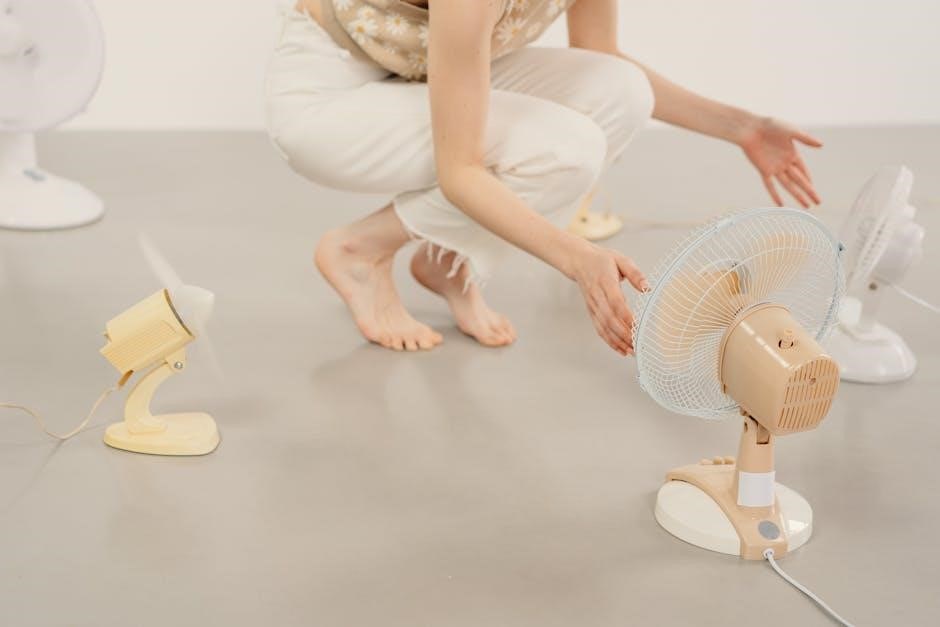
Evaporative cooling, the principle behind Cool Breeze systems, leverages the natural cooling effect of water evaporation․ Unlike traditional air conditioning which uses refrigerants, evaporative coolers utilize water to cool the air․ As water evaporates, it absorbs heat from the surrounding air, lowering the temperature․
The Cool Breeze manual explains this process in detail, highlighting how the system draws warm, dry air through moistened cooling pads․ This process adds moisture to the air, creating a comfortable and refreshing breeze․ It’s particularly effective in hot, dry climates where the air has a low humidity level․
Understanding this fundamental principle, as detailed in your Cool Breeze owner’s manual, is crucial for optimizing system performance and troubleshooting potential issues․ It’s a sustainable and energy-efficient cooling solution․
Benefits of Cool Breeze Systems
Cool Breeze evaporative coolers offer numerous advantages, as detailed in the system’s manual․ They are significantly more energy-efficient than traditional air conditioning, leading to lower electricity bills․ The manual emphasizes this cost-saving benefit․
These systems also improve air quality by adding moisture, alleviating dry skin and respiratory discomfort․ Unlike air conditioners, they don’t recirculate stale air, providing a constant supply of fresh, cooled air․ The Cool Breeze manual highlights the health benefits․
Furthermore, Cool Breeze units are environmentally friendly, using water instead of harmful refrigerants․ Installation is often simpler than traditional AC, and the manual provides clear guidance․ They are ideal for spaces where window units aren’t suitable․
Understanding Your Cool Breeze Manual
Your Cool Breeze manual is the central resource for optimal system performance and longevity․ It details everything from initial setup to troubleshooting common issues․ Familiarize yourself with the sections on water supply connection and electrical safety before operation․
The manual outlines recommended maintenance schedules, including filter pad cleaning and water reservoir upkeep, crucial for efficient cooling․ Pay close attention to the control panel overview, understanding each setting’s function․ It also specifies limitations, like unsuitability for high BAL-rated areas․
Refer to the manual for guidance on winterization and storage procedures to protect your unit during off-season․ It provides a step-by-step approach to diagnosing problems, potentially avoiding costly repairs․ The Cool Breeze manual is your key to hassle-free operation․
System Components
Cool Breeze systems comprise a water reservoir, cooling pads, a fan/motor assembly, and a control panel – all detailed within the manual;
Understanding each component, as described in the manual, is vital for effective maintenance and troubleshooting potential issues․
Water Reservoir and Pump
The water reservoir is the heart of your Cool Breeze system, providing the water necessary for the evaporative cooling process․ Refer to your manual for specific capacity details․ Maintaining adequate water levels is crucial for optimal performance, and the manual outlines recommended fill levels․
The pump circulates water from the reservoir to the cooling pads, ensuring consistent saturation․ The manual details pump operation and troubleshooting steps for issues like no water flow․ Regular inspection, as described in the manual, helps prevent clogs and ensures efficient water delivery․
Twin fan units may require only one water entry and exit point, as detailed in the Cool Breeze manual․ Proper water supply connection is essential, and the manual provides guidance on this process․
Cooling Pads
Cooling pads are a vital component of your Cool Breeze system, responsible for the evaporative cooling process․ Your manual will specify the pad material and replacement schedule․ Maintaining clean pads is paramount for efficiency; the manual details cleaning procedures to remove dust, debris, and mineral buildup․
Regular cleaning, especially at the start of each cooling season, ensures optimal airflow and cooling performance․ The manual emphasizes the importance of removing mineral deposits, which can hinder evaporation․ Inspecting the pads for damage, as outlined in the manual, is crucial for identifying necessary replacements․
Properly saturated pads maximize cooling, and the Cool Breeze manual provides guidance on ensuring adequate water distribution to these essential components․
Fan and Motor Assembly
The fan and motor assembly are central to the Cool Breeze system’s operation, circulating air through the moistened cooling pads․ Your manual provides specific safety guidelines regarding inspection and maintenance of these components․ It details how to check for obstructions that could impede fan rotation and reduce airflow․
Troubleshooting sections within the manual address scenarios where the fan isn’t operating, often pointing to electrical issues or motor failure․ The manual may include instructions for resetting the system by briefly disconnecting power․ Regular inspection, as described in the manual, can prevent unexpected downtime․
The Cool Breeze manual also outlines procedures for addressing potential motor maintenance needs, ensuring long-term reliability․
Control Panel Overview
The Cool Breeze system’s control panel is your central hub for managing operation, detailed extensively in the manual․ Familiarize yourself with the various settings – fan speeds, pump controls, and potentially, timer functions – as described within․ The manual illustrates each button and its corresponding function, ensuring intuitive use․
Understanding the control settings is crucial for optimizing cooling performance and energy efficiency․ The manual explains how to adjust settings based on ambient temperature and humidity levels․ Troubleshooting sections address scenarios where the control panel isn’t responding, often related to power supply issues․
The Cool Breeze manual emphasizes the importance of a system reset by turning off power for several minutes if the panel malfunctions․

Installation and Setup

Cool Breeze setup, guided by the manual, requires proper placement, water supply connection, and electrical safety checks for optimal cooling performance․
The manual details water entry/exit points, crucial for twin-fan units, ensuring correct installation for efficient operation and preventing potential issues․
Proper Placement for Optimal Cooling
Cool Breeze evaporative cooler placement, as detailed in your manual, significantly impacts cooling efficiency․ Avoid direct sunlight exposure, as this heats the unit and reduces performance․ Ensure ample airflow around the cooler; obstructions hinder air intake and exhaust․
The manual emphasizes avoiding installation in BAL-12․5 areas due to fire risk considerations․ Position the unit to draw air from the coolest, shadiest part of your property․ Consider prevailing wind direction for maximized airflow through the cooling pads․
Proper ventilation is vital; exhaust air should not recirculate back into the intake․ Refer to the manual’s diagrams for recommended clearances from walls and other structures․ Incorrect placement can lead to insufficient cooling and increased energy consumption․
Water Supply Connection
Your Cool Breeze evaporative cooler manual details specific water supply requirements․ A consistent water source is crucial for optimal performance․ Twin fan units require only one water entry and one exit point, simplifying installation․
Ensure the water supply line is clean and free of debris to prevent clogging of the pump and cooling pads․ The manual will specify the recommended water pressure for your model․ Use a filter on the water supply line to minimize mineral buildup within the system․
Carefully follow the manual’s instructions for connecting the water line to the reservoir․ Leaks can cause water damage and reduce cooling efficiency․ Regularly inspect the connections for any signs of wear or corrosion․
Electrical Connection and Safety
The Cool Breeze evaporative cooler manual emphasizes strict adherence to electrical safety guidelines․ Always disconnect power before performing any maintenance or inspection․ Verify the voltage and amperage requirements match your electrical supply before connecting the unit․
A tripped circuit breaker or blown fuse can halt operation; the manual details troubleshooting steps․ Never use extension cords, as they can overheat and pose a fire hazard․ Ensure the unit is properly grounded to prevent electrical shock․
If you encounter persistent power supply issues, consult a qualified electrician․ Inspect the control board for burnt components as outlined in the manual․ Resetting the system by briefly cutting power may resolve minor electrical glitches․
Initial System Startup
Before the first use, carefully review the Cool Breeze evaporative cooler manual․ Ensure the water reservoir is filled to the recommended level, but do not overfill․ Confirm the cooling pads are thoroughly saturated with water before powering on the unit․
Turn on the power and verify the fan operates correctly․ The manual details expected water flow to the cooling pads; observe this to confirm proper function․ Initial operation may involve a brief period for the pads to become fully saturated and cooling to commence․
Monitor the system for any unusual noises or leaks․ Refer to the manual’s troubleshooting section if issues arise; Begin with the lowest fan speed setting and adjust as needed for desired cooling․

Operation and Maintenance
Cool Breeze systems require regular maintenance, detailed in the manual, including filter cleaning and reservoir upkeep for optimal cooling performance and longevity․
Understanding control settings, as described in the manual, allows for efficient operation and customized comfort throughout the cooling season․
Consistent maintenance, guided by the manual, prevents issues and ensures your Cool Breeze unit delivers reliable cooling for years to come․
Understanding the Control Settings
Cool Breeze evaporative cooler control panels, as detailed in your manual, vary by model, but generally include fan speed adjustments – low, medium, and high – to regulate airflow and cooling intensity․
Water level indicators are crucial; the manual emphasizes monitoring this to prevent pump damage and ensure consistent pad saturation․ Some models feature automatic fill options․
Swing controls direct airflow, enhancing circulation within the space․ The manual illustrates how to adjust these for optimal distribution․ Timer settings allow for programmed operation, conserving energy and providing convenience․
Pay close attention to the manual’s explanation of each setting, as improper use can affect performance․ Understanding these controls maximizes cooling efficiency and extends the life of your Cool Breeze unit․
Regular Filter Pad Cleaning
Cool Breeze evaporative cooler performance hinges on clean filter pads, as detailed in your manual․ Dust, debris, and mineral buildup significantly reduce cooling efficiency․ The manual recommends cleaning at the start of each cooling season, and more frequently in dusty environments․
Turn off and unplug the unit before cleaning․ Remove the pads carefully, following the manual’s instructions․ Gently rinse with water, avoiding harsh chemicals or abrasive cleaners․ Stubborn buildup may require a mild detergent solution․
Ensure pads are thoroughly rinsed and completely dry before reinstalling․ Damaged pads should be replaced, referencing the manual for correct part numbers․ Consistent cleaning maintains optimal airflow and cooling capacity․
Regular maintenance, as outlined in the manual, extends the lifespan of your Cool Breeze system and ensures consistently cool, fresh air․
Water Reservoir Maintenance
Maintaining a clean water reservoir is crucial for Cool Breeze evaporative cooler operation, as detailed in your manual․ Stagnant water can breed bacteria and promote mineral buildup, impacting performance and air quality․ The manual advises regular draining and cleaning․
Turn off and unplug the unit before accessing the reservoir․ Drain any remaining water completely․ Use a mild disinfectant solution, following the manual’s guidelines, to scrub the reservoir interior․ Rinse thoroughly to remove all traces of cleaner․
Inspect the water pump intake for debris and clear any obstructions․ Regularly check water levels during operation and refill as needed․ Addressing mineral buildup, as the manual suggests, prevents scaling․
Consistent reservoir maintenance, per the manual, ensures hygienic operation and prolongs the life of your Cool Breeze system․
Winterization and Storage
Proper winterization, as outlined in your Cool Breeze evaporative cooler manual, is essential for protecting the unit during off-season storage․ Before storing, thoroughly drain the water reservoir and all associated plumbing to prevent freezing damage․
Remove and clean the cooling pads, storing them in a dry location․ Inspect the fan and motor assembly for any debris and wipe clean․ The manual may recommend covering the unit to protect it from dust and pests․
Disconnect the electrical supply and store the power cord safely․ Refer to the manual for specific instructions regarding the control panel․ Store the unit in a dry, sheltered area, away from direct sunlight․
Following these steps, detailed in the Cool Breeze manual, ensures your cooler is ready for efficient operation next cooling season․

Troubleshooting Common Issues
Cool Breeze manual guides users through resolving problems like no water flow, fan malfunctions, insufficient cooling, or power supply issues (fuses & breakers)․
Resetting the system or inspecting the control board, as detailed in the manual, can often restore functionality․
Refer to the manual for specific diagnostic steps and solutions to common operational challenges․
No Water Flow to Cooling Pads
If your Cool Breeze evaporative cooler isn’t delivering water to the cooling pads, consult your system’s manual for troubleshooting steps․ First, verify the water supply is turned on and connected securely to the unit․
Check the water reservoir level; it must contain sufficient water for operation․ Inspect the pump for obstructions – debris or mineral buildup can impede water flow․ The manual details pump access and cleaning procedures․
Examine the water lines for kinks or blockages․ A clogged filter within the pump itself is a common culprit, and the manual will illustrate how to access and clean it․ If the pump appears functional but still doesn’t deliver water, a faulty pump may require replacement, as outlined in the manual’s maintenance section․
Fan Not Operating
If your Cool Breeze evaporative cooler’s fan isn’t running, the first step is to consult your system’s manual for safety guidelines and troubleshooting․ Begin by checking the power supply – ensure the unit is properly plugged in and the circuit breaker hasn’t tripped or a fuse blown․
The manual will detail how to access and check the fuse․ Inspect the control panel for any error messages or indications of a system fault․ If the power supply is confirmed, examine the fan blades for obstructions․
A faulty control board or a malfunctioning motor could also be the cause․ The manual provides instructions for basic control board inspection and may suggest professional assistance for motor issues․ Resetting the system by briefly disconnecting power can sometimes resolve minor glitches․

Insufficient Cooling Performance
If your Cool Breeze evaporative cooler isn’t providing adequate cooling, your manual is the first resource․ Dirty or clogged cooling pads significantly reduce efficiency; the manual details cleaning procedures․ Ensure the water reservoir has sufficient water and the pump is functioning correctly, as insufficient water flow hinders cooling․
Check that windows and doors are closed to maximize the effect of the evaporative cooling process․ The manual may advise on optimal placement for airflow․ Mineral buildup can also impede performance; refer to the manual for descaling instructions․
Confirm the fan speed is set appropriately․ If issues persist, consult the manual for advanced troubleshooting or consider professional service․
Power Supply Issues (Fuses & Breakers)
If your Cool Breeze evaporative cooler isn’t powering on, the manual directs you to check the power supply first․ A tripped circuit breaker is a common cause; reset it according to your home’s electrical panel instructions․ The manual also highlights the location of the fuse within the unit․
Before replacing a blown fuse, disconnect the cooler from the power outlet․ Always use a fuse with the correct amperage rating, as specified in the manual․ Repeatedly blown fuses indicate a more serious electrical problem requiring professional attention․
Consult the manual for diagrams and safety precautions related to electrical components․ Never attempt repairs beyond your skill level․

Advanced Maintenance
The Cool Breeze manual details control board inspection, pump maintenance, motor upkeep, and mineral buildup solutions for experienced users seeking optimal performance․
Control Board Inspection
The Cool Breeze manual emphasizes periodic control board inspections as crucial for advanced maintenance․ Begin by completely disconnecting power to the unit – safety first! Visually examine the board for any signs of physical damage, such as burnt components, cracked solder joints, or discoloration․
Carefully check for any loose connections or wiring․ A gentle nudge can reveal intermittent faults․ If you suspect a problem, a system reset – achieved by turning off power for several minutes – might resolve minor glitches․ However, extensive damage necessitates professional repair or board replacement․
Consult the manual’s wiring diagrams before attempting any connections․ Remember, improper handling can void warranties and create safety hazards․ Document any findings for future reference or when seeking professional assistance․
Pump Maintenance and Replacement
The Cool Breeze manual details pump maintenance as vital for consistent cooling pad saturation․ Regularly inspect the pump for leaks or unusual noises, indicating potential wear․ Mineral buildup is a common issue; flush the pump and water lines periodically with a vinegar solution to dissolve deposits․
If the pump fails to deliver adequate water flow, check the intake filter for obstructions․ A clogged filter significantly reduces pump performance․ Replacement is straightforward, but always disconnect power first․ Refer to the manual for specific pump model instructions and wiring diagrams․
Ensure the new pump matches the original specifications․ Proper installation, following the manual’s guidance, guarantees optimal operation and prevents system damage․
Motor Maintenance
The Cool Breeze manual emphasizes routine motor maintenance for extended system life․ Periodically inspect the motor for dust accumulation, which can cause overheating․ Carefully clean the motor housing with a soft brush, ensuring the vents remain unobstructed for proper airflow․
Listen for unusual noises during operation – squealing or grinding sounds may indicate bearing wear․ Always disconnect power before attempting any motor inspection or maintenance․ The manual advises against lubricating the motor unless specifically instructed, as improper lubrication can attract dust․
If the motor fails to start or runs erratically, consult the manual’s troubleshooting section․ Replacement should be performed by a qualified technician to ensure correct wiring and safe operation․
Addressing Mineral Buildup
The Cool Breeze manual highlights mineral buildup as a common issue, particularly with hard water sources․ This buildup can reduce cooling efficiency and damage system components․ Regular flushing of the water reservoir, as detailed in the manual, is crucial․
The manual recommends using distilled or filtered water to minimize mineral deposits․ For existing buildup, a mild descaling solution – following the manual’s specific instructions – can be used․ Avoid harsh chemicals that could corrode the system․
Inspect the cooling pads and water lines regularly for white, chalky deposits․ Cleaning these areas prevents blockage and maintains optimal water flow․ Consistent preventative maintenance, guided by the manual, extends the life of your Cool Breeze system․

Safety Precautions
The Cool Breeze manual stresses electrical and water safety; avoid BAL-12․5 areas․ Follow preventative maintenance schedules to ensure safe, efficient operation․
Always disconnect power before servicing, and heed warnings within the manual regarding specific environmental limitations․
Electrical Safety
The Cool Breeze manual emphatically stresses electrical safety precautions․ Before any maintenance or inspection, always disconnect the unit from the power source․ This prevents accidental shock and potential damage to the system’s components․
Inspect the power cord regularly for any signs of damage – fraying, cuts, or exposed wires․ If damage is detected, immediately cease use and consult a qualified electrician for repair or replacement․
Be aware of potential power supply issues, such as tripped circuit breakers or blown fuses․ The manual details how to check and reset these, but if problems persist, professional assistance is crucial․ Never attempt to bypass safety devices;
Ensure the electrical outlet is properly grounded and meets the unit’s voltage requirements, as specified in the manual․ Improper grounding can create a serious safety hazard․
Water Safety
The Cool Breeze manual highlights crucial water safety guidelines․ Evaporative coolers require a consistent water supply, but standing water can pose risks․ Regularly drain and clean the water reservoir to prevent bacterial growth and algae buildup, as detailed in the manual․
Ensure the water supply connection is secure and free from leaks․ Avoid using water sources contaminated with chemicals or excessive minerals, as these can damage the system and affect cooling performance․
When winterizing the unit, completely drain all water from the reservoir, pump, and cooling pads to prevent freezing and potential damage․ Refer to the manual for specific winterization instructions․
Be mindful of potential overflow․ Position the unit to allow for proper drainage and avoid water damage to surrounding areas․ Always follow the manual’s guidance for optimal water management․
Operating in Specific Environments (BAL Ratings)
The Cool Breeze manual explicitly addresses suitability for various environments, particularly concerning Bushfire Attack Level (BAL) ratings․ It’s critical to understand these limitations for safety and compliance․
The manual clearly states that this evaporative cooler is not suitable for installation in areas with a BAL-12․5 rating or higher․ These high-risk zones require equipment specifically designed to withstand extreme heat and ember attack․
Operating the unit in an unsuitable BAL-rated area could compromise its integrity and pose a significant fire hazard․ Always verify your local fire risk assessment before installation․
Consult your local building codes and fire authorities to determine the appropriate BAL rating for your location․ Adhering to these guidelines, as outlined in the manual, ensures safe and responsible operation․
Preventative Maintenance Schedule
The Cool Breeze manual emphasizes a proactive approach to maintenance for optimal performance and longevity․ A consistent schedule prevents issues and extends the unit’s lifespan․
At the beginning of each cooling season, thoroughly clean the filter pads․ Removing dust, debris, and mineral buildup ensures efficient airflow and cooling capacity․ Consider pad replacement as needed, following manual guidelines․
Regularly inspect the water reservoir for sediment and algae growth․ Cleaning the reservoir prevents blockages and maintains water quality․ The manual details recommended cleaning solutions․
Before storing the unit for winter, complete a thorough cleaning and winterization process, as described in the manual․ This protects components from damage during prolonged inactivity․